
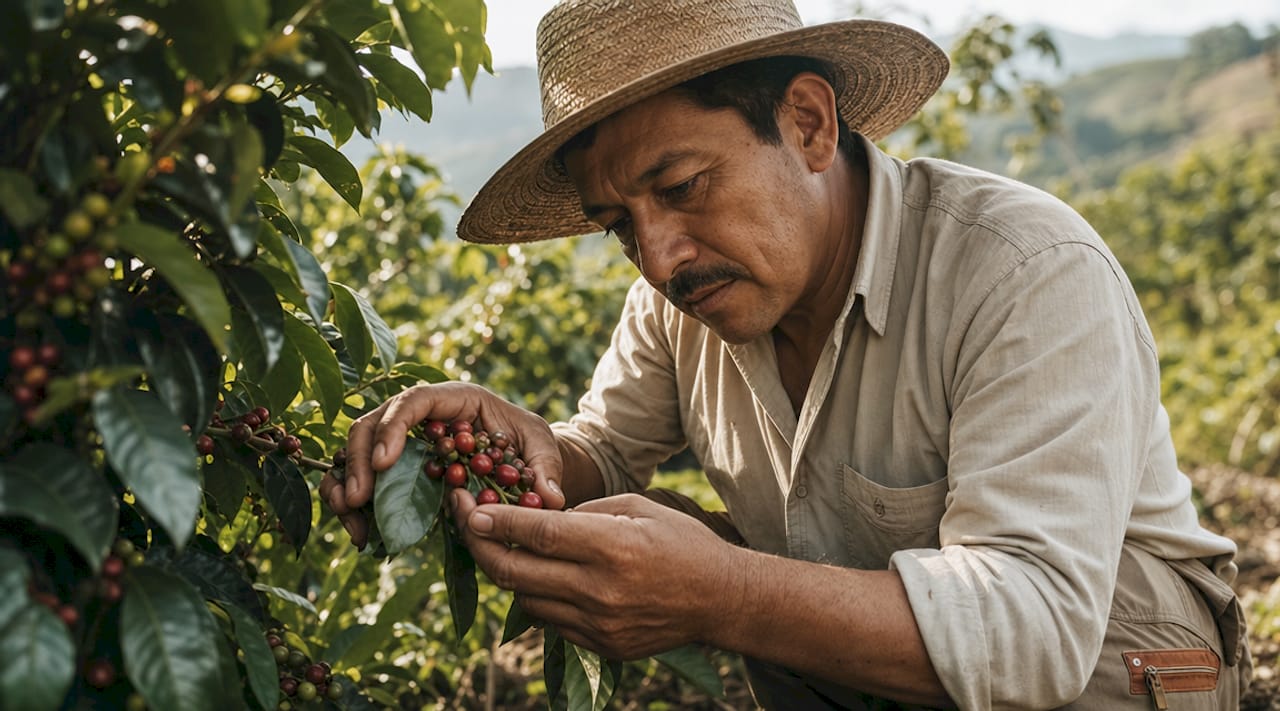
Organic Arabica coffee is defined as specialty-grade Coffea arabica grown without synthetic pesticides, herbicides, or fertilizers under USDA National Organic Program standards. The benefits of organic Arabica coffee extend well beyond a cleaner cup. From chlorogenic acid-driven antioxidant protection to cardiovascular support, metabolic advantages, and soil-restoring farming practices, the science behind this bean is both deep and current. This article draws on 2026 meta-analyses and randomized trial data to give you a precise, evidence-grounded picture of what your morning ritual is actually doing for you.
1. What antioxidant and polyphenol benefits does organic Arabica coffee provide?
Organic Arabica coffee delivers one of the richest dietary sources of chlorogenic acids, the polyphenols responsible for most of its measurable health effects. Chlorogenic acid improves endothelial function, reduces LDL oxidation, and modulates inflammatory pathways at the cellular level. That combination makes each cup a genuine functional food, not just a stimulant.

What makes this particularly striking is that chlorogenic acids show biological effects even at relatively low bioavailability in the body, meaning their health impact exceeds what measured absorption alone would suggest. In practical terms, you do not need to drink enormous quantities to benefit. Two to three well-brewed cups can deliver a meaningful polyphenol load.
Organic cultivation matters here because synthetic agrochemicals can degrade polyphenol synthesis in the plant. Beans grown under organic conditions tend to express higher concentrations of these protective compounds, partly because mild environmental stress during growth stimulates the plant’s own defense chemistry.
Key antioxidant compounds in organic Arabica coffee:
- Chlorogenic acids: Anti-inflammatory, anti-oxidative, and anti-hyperglycemic effects
- Caffeic acid: Supports cellular protection against oxidative damage
- Ferulic acid: Linked to reduced lipid peroxidation
- Trigonelline: Precursor to niacin (vitamin B3) upon roasting
- Melanoidins: Brown pigment compounds formed during roasting with prebiotic and antioxidant properties
Pro Tip: Use a medium roast for peak chlorogenic acid retention. Dark roasting degrades these polyphenols significantly, so lighter profiles preserve the most antioxidant activity per cup.
2. How organic Arabica coffee promotes cardiovascular health
The health benefits of arabica coffee on the heart are among the most studied in nutritional science. A 24-week randomized controlled trial found that Arabica-derived polyphenols produced LDL reductions of 14.9%, triglyceride reductions of 18.9%, and a 6.0% increase in HDL cholesterol in obese, hyperlipidemic adults. Those are clinically meaningful numbers, comparable to modest pharmaceutical interventions.
A large meta-analysis of 38 studies covering 2,856,002 participants adds important nuance. Higher coffee intake correlates with a reduced hazard ratio of 0.89 for stroke and lower arrhythmia risk, but also with an elevated odds ratio of 1.48 for myocardial infarction at high consumption levels. Moderation is not a suggestion here. It is the mechanism.
| Cardiovascular outcome | Direction of effect | Notes |
|---|---|---|
| Stroke risk | Reduced (HR 0.89) | Observed at moderate intake |
| Arrhythmia risk | Reduced | Consistent across studies |
| LDL cholesterol | Reduced (14.9%) | Arabica polyphenol trial, 24 weeks |
| HDL cholesterol | Increased (6.0%) | Same randomized trial |
| Myocardial infarction | Elevated (OR 1.48) | Associated with high consumption |
Pro Tip: Filtered brewing methods reduce diterpenes like cafestol and kahweol, which raise LDL when unfiltered. A paper filter in your pour-over or drip machine keeps the cardiovascular benefits clean.
3. Metabolic and cognitive benefits linked to organic Arabica
Moderate coffee consumption, defined as three to five cups per day, is associated with reduced type 2 diabetes risk and improved glycemic control across multiple meta-analyses. Chlorogenic acid slows glucose absorption in the gut and improves insulin sensitivity, making organic Arabica a meaningful dietary tool for metabolic health. This is not a marginal effect. It is one of the most replicated findings in coffee research.
Cognitive benefits follow a similar pattern. Caffeine blocks adenosine receptors, sharpening focus and reducing mental fatigue in the short term. The polyphenols in organic Arabica add a longer-arc effect: coffee polyphenols reduce neuroinflammation and oxidative stress in brain tissue, which researchers link to lower dementia risk over time. For a comparison of how caffeine-driven focus compares to other sources, the caffeine and focus research from Maisoncantin offers a useful frame.
Metabolic and cognitive benefits at a glance:
- Glycemic control: Chlorogenic acid slows intestinal glucose absorption and improves insulin sensitivity
- Fat oxidation: Caffeine increases metabolic rate and mobilizes fatty acids for energy
- Neuroprotection: Polyphenols reduce neuroinflammatory markers associated with cognitive decline
- Focus and alertness: Adenosine receptor blockade improves reaction time and working memory
- Mood regulation: Regular moderate intake is associated with lower rates of depression in observational studies
Individual tolerance shapes all of these outcomes. Someone sensitive to caffeine may experience anxiety or disrupted sleep at doses that another person handles without issue. The bioactive effects from organic Arabica depend on consumption patterns, preparation, and roasting methods, not just the variety itself.
4. Environmental and consumer safety advantages of organic certification
USDA certified organic coffee prohibits synthetic pesticides, herbicides, and fertilizers throughout cultivation. That standard protects three groups simultaneously: the soil ecosystem, the farm workers who handle the plants daily, and the consumers who drink the final product. Each group benefits differently, and each benefit is real.
- Soil health: Organic farms use composting, cover crops, and crop rotations. These practices rebuild soil organic matter, improve water retention, and support microbial diversity that conventional monoculture depletes over time.
- Carbon sequestration: Organic farming practices contribute to reduced carbon emissions and better ecosystem balance by keeping carbon locked in healthy soil rather than releasing it through chemical tillage.
- Reduced pesticide exposure for workers: Experts note that organic certification primarily reduces pesticide exposure risks for agricultural workers and surrounding communities, not just end consumers. Farm workers face the highest chemical burden in conventional systems.
- Biodiversity support: Shade-grown organic Arabica farms, common in regions like Oaxaca, Chiapas, and the highlands of Ethiopia, preserve canopy cover that supports migratory bird populations and native insect species.
- Cleaner waterways: Eliminating synthetic runoff protects the streams and aquifers that communities near coffee farms depend on for drinking water.
Understanding organic processing standards helps you read certification labels with confidence and choose beans that genuinely reflect these values.
5. How brewing methods shape the benefits of brewed Arabica
Brewing is not a neutral step. It determines how much of organic Arabica’s bioactive potential actually reaches your body. Hot filtered brewing extracts higher antioxidant levels and removes diterpenes, making it the most favorable method for cardiovascular and metabolic outcomes. A paper filter in a Chemex, Hario V60, or standard drip machine accomplishes this without any special technique.
| Brewing method | Antioxidant extraction | Diterpene content | Best for |
|---|---|---|---|
| Paper filter drip | High | Low | Cardiovascular and metabolic health |
| French press | Moderate to high | High | Flavor richness, occasional use |
| Cold brew | Moderate | Low to moderate | Lower acidity, sensitive stomachs |
| Espresso | High per volume | Moderate | Concentrated polyphenol dose |
| Unfiltered boiled | High | Very high | Not recommended for daily use |
Cold brew produces a smoother, lower-acid cup and moderate diterpene content, making it a reasonable daily option for those with acid sensitivity. Espresso delivers a concentrated polyphenol dose in small volume, which suits enthusiasts who prefer intensity over quantity. The key variable across all methods is bean freshness. Stale beans lose volatile aromatic compounds and oxidize polyphenols before brewing even begins.
Grind size also matters more than most enthusiasts realize. A coarser grind for French press and a finer grind for espresso are not just about extraction speed. They directly affect which compounds are pulled into the cup and in what concentrations.
Pro Tip: Buy whole-bean organic Arabica and grind immediately before brewing. Pre-ground coffee loses up to 60% of its aromatic compounds within 15 minutes of grinding, and oxidized polyphenols deliver less antioxidant benefit.
Key takeaways
Organic Arabica coffee delivers superior antioxidant protection, cardiovascular support, and metabolic benefits when sourced from certified farms and brewed with filtered methods at moderate daily intake.
| Point | Details |
|---|---|
| Chlorogenic acids drive health effects | These polyphenols reduce LDL oxidation, inflammation, and blood glucose even at low bioavailability. |
| Moderation defines cardiovascular benefit | Three to five cups daily reduces stroke and arrhythmia risk; high intake raises myocardial infarction odds. |
| Filtered brewing maximizes benefit | Paper filters remove diterpenes while preserving antioxidants, optimizing each cup’s health profile. |
| Organic certification protects more than consumers | USDA organic standards most directly benefit farm workers and soil ecosystems, not just the final cup. |
| Freshness is non-negotiable | Whole-bean, freshly ground organic Arabica retains the highest polyphenol and aromatic compound levels. |
Why I think most coffee drinkers underestimate what’s in their cup
I have spent years tasting specialty coffees from farms across Ethiopia, Colombia, and Guatemala, and the single most consistent observation I keep returning to is this: people treat their morning cup as a delivery mechanism for caffeine and nothing more. That framing sells the bean short by a wide margin.
When I first started paying attention to organic Arabica specifically, what struck me was not the flavor difference alone, though that is real and worth the price. It was the realization that the ritual itself, done with intention and quality ingredients, functions as a form of self-care. The science now supports what experienced tasters have long sensed. The coffee as self-care framework is not marketing language. It reflects genuine physiological and psychological effects.
My honest advice: stop treating roast date as a secondary detail. Buy from roasters who print it clearly, grind fresh, and use a filter. Those three habits alone will transform both the flavor and the functional value of your daily ceremony. Experiment with single-origin organic Arabica from different growing regions. The flavor variation is remarkable, and each origin brings a slightly different polyphenol profile. Your palate and your body will both notice the difference.
— Lily
Discover Maisoncantin’s organic Arabica selections
Maisoncantin roasts specialty-grade organic Arabica in small batches, fresh to order, so every bag you receive reflects the bean at its peak. That commitment to freshness is not incidental. It is the difference between a cup that delivers on its promise and one that merely looks good on a shelf.
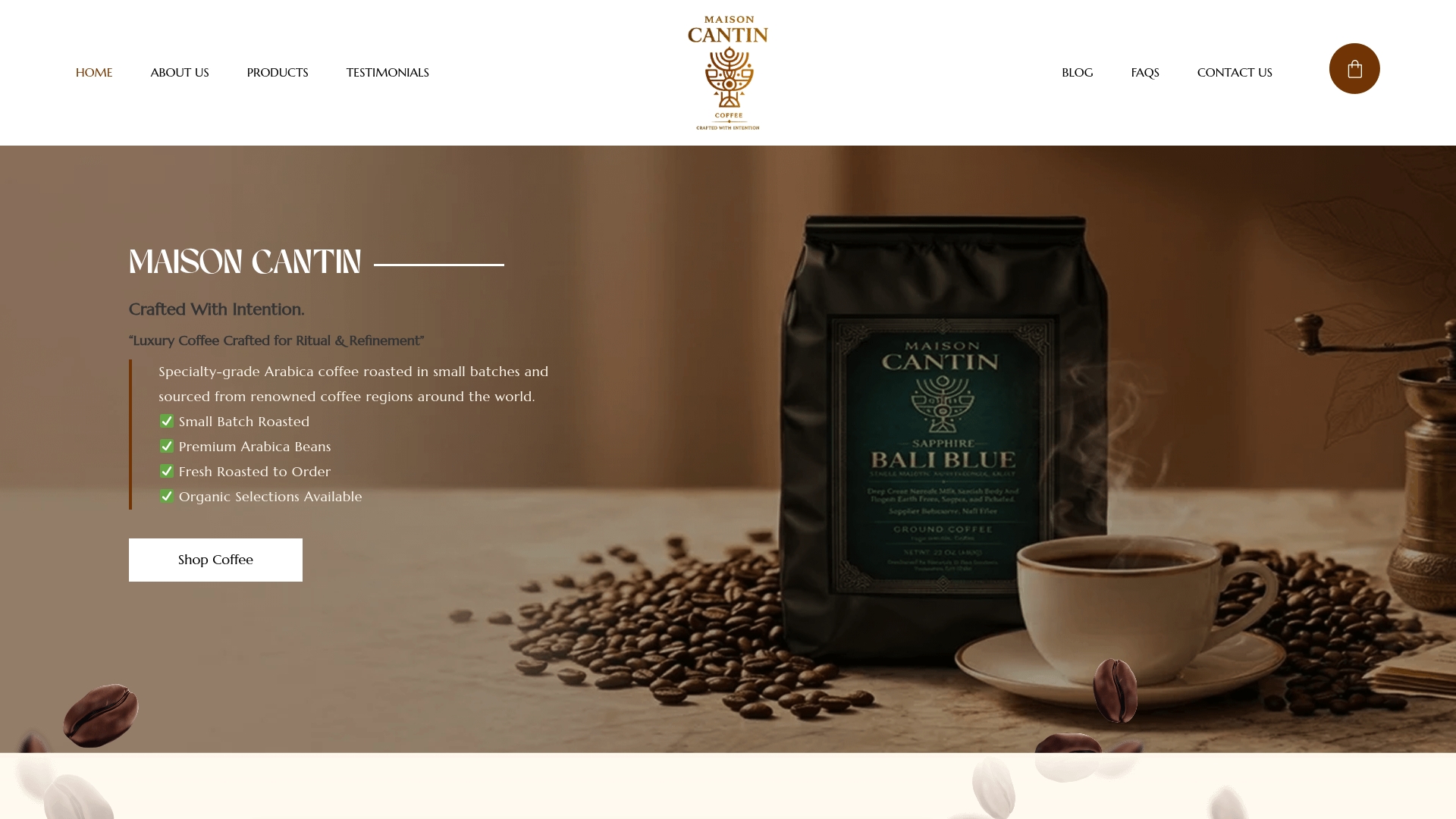
Browse the full organic collection to find single-origin and blended offerings crafted for morning clarity, midday focus, and evening conversation. For a curated introduction to the finest selections, the Sapphire Collection represents Maisoncantin’s most refined organic Arabica offerings. If you are searching for a considered gift, the 2026 luxury gift guide pairs these coffees with occasion-specific recommendations. Every order begins at maisoncantin.com.
FAQ
What makes organic Arabica coffee different from conventional?
Organic Arabica is grown without synthetic pesticides or fertilizers under USDA National Organic Program standards, which preserves higher polyphenol concentrations in the bean and reduces chemical exposure for farm workers and ecosystems.
How many cups of organic Arabica coffee per day is optimal?
Three to five cups per day is the intake range most consistently associated with reduced cardiovascular disease risk, improved glycemic control, and neuroprotective effects in meta-analytic research.
Is Arabica coffee higher in antioxidants than Robusta?
Arabica coffee contains higher concentrations of chlorogenic acids and aromatic polyphenols than Robusta, which tends toward higher caffeine and lower antioxidant complexity, making Arabica the preferred choice for health-focused enthusiasts.
Does roast level affect the health benefits of organic Arabica?
Yes. Lighter and medium roasts preserve more chlorogenic acids than dark roasts, which degrade these polyphenols through prolonged heat exposure. For maximum antioxidant benefit, choose a light to medium roast from a fresh-roasted source.
Can organic Arabica coffee support weight management?
Caffeine and chlorogenic acid together increase metabolic rate and promote fat oxidation, supporting weight management as part of a balanced diet. These effects are most pronounced in moderate, consistent consumption rather than occasional high-dose intake.


One Comment