

Getting fresh small-batch roasted coffee with clear origin transparency and organic options is often undermined by blends sitting for weeks in warehouses or coffee losing aromatics before reaching your door. Many mainstream and grocery suppliers prioritize shelf life and bulk pricing over roast-to-order freshness, single-origin detail, or certified sustainable sourcing. This comparison covers freshness, sourcing standards, packaging, and subscription flexibility across four small-batch coffee roasters so you can match a supplier to your brewing habits and priorities.
Table of Contents
- Maison Cantin
- melk.cafe
- biodynamic.coffee
- Kittel Coffee
- Comparing Maison Cantin and Alternative Coffee Services
Maison Cantin
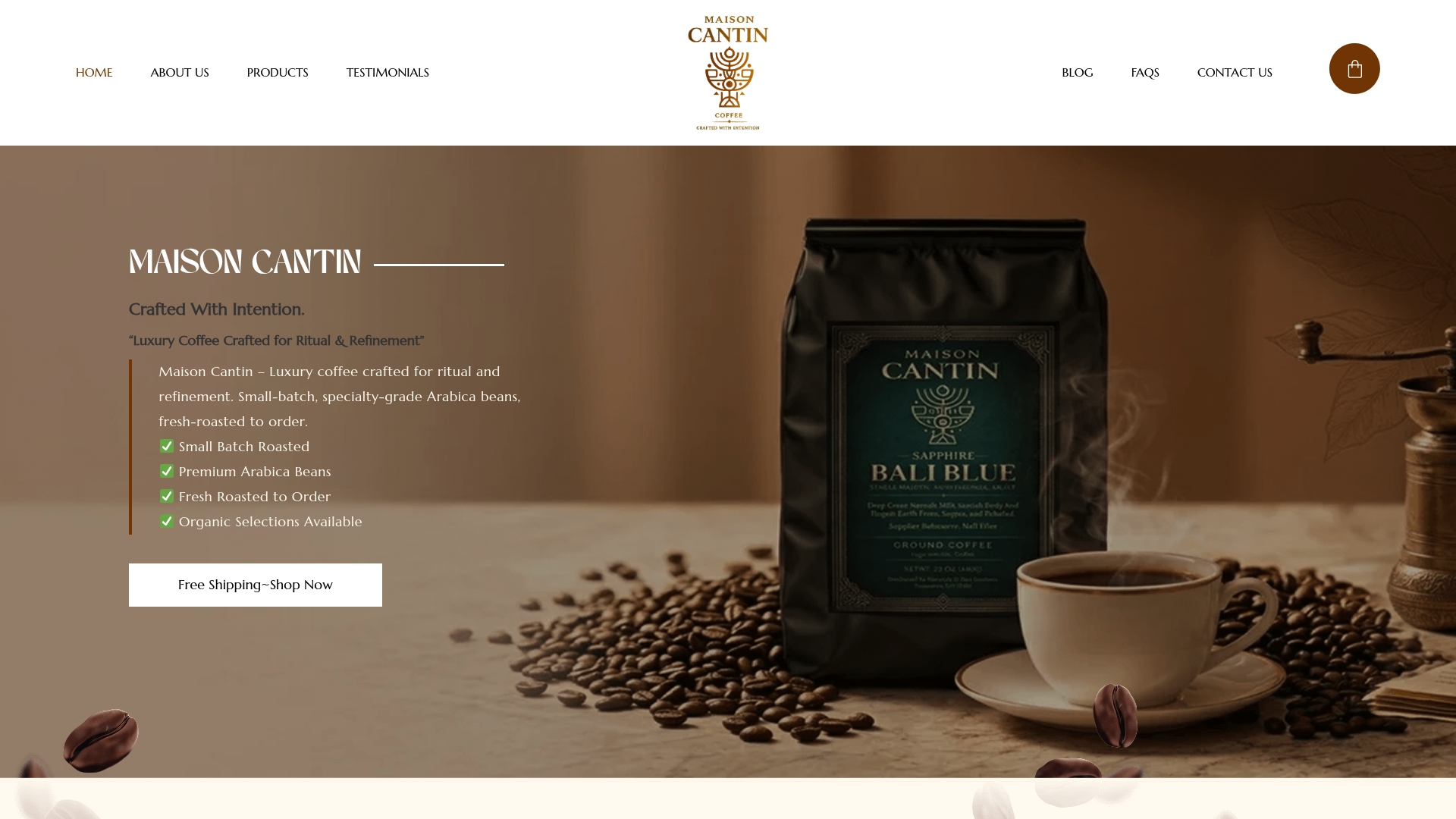
At a Glance
Maison Cantin roasts coffee to order in small batch runs, a practice meant to lock in peak aroma and flavor for each shipment. According to the company, customers report significant satisfaction improvements tied to that freshness and artisanal focus.
Core Features
- Small batch roasting for freshness delivered to order so beans arrive shortly after roast rather than weeks later.
- Organic and specialty Arabica beans sourced as single origins and blends including regions like Bali and Italy.
- Ground, whole bean, and capsule formats to match home brewers and single serve machines.
- A brand focus on ritual, refinement, and ethically minded sourcing that shapes packaging and tasting notes.
Key Differentiator
Maison Cantin emphasizes artisanal small batch roasting together with an organic Arabica lineup, which the company uses as its primary quality lever. That combination targets taste clarity and consistency across single origin lots and curated blends for ritual style drinking.
Pros
- High grade Arabica only. The bean selection avoids blends with robusta so cup profiles stay cleaner and sweeter for filter and espresso styles.
- Small batch roast schedule. Roasts to order shorten the window between roast date and cup which preserves volatile aromatics more than mass roast models.
- Organic sourcing and traceability. The product range highlights organic options and single origins from named regions which matters if you track origin and farming practices.
- Flexibility of formats. Whole beans, ground for specific methods, and capsules cover pour over, espresso, and convenient single serve routines without forcing you into one system.
- Brand that supports ritual. Packaging, tasting notes, and assortment are curated for gifting or building a deliberate morning routine rather than a throwaway commute cup.
Cons
- Premium price point. The emphasis on craft and small batch roast means pricing skews toward premium buyers and may be less accessible to casual drinkers.
Who It’s For
Home baristas and small café operators who prioritize roast freshness, clear origin tasting notes, and organic Arabica beans. Best for people who treat brewing as a deliberate ritual and who will notice the difference that a recent roast produces.
Unique Value Proposition
They roast to order on a small batch schedule. That practice changes how you stock and brew coffee at home. Instead of aging through slow warehouse cycles you plan deliveries around roast windows so each bag arrives with pronounced aromatics and cleaner acidity.
Real World Use Case
A customer subscribes to monthly shipments of single origin beans. They grind just before brewing for manual pour over and notice brighter citrus notes compared with supermarket coffee. The same subscription doubles as a recurring gift for a friend who hosts weekend coffee tastings.
Pricing
Most products start at $23.99 per 12 oz package. Capsules and curated blends are offered alongside whole bean and ground options. The vendor advertises free shipping on orders above a threshold, which can lower total cost for subscription or gift orders.
Website: https://maisoncantin.com
melk.cafe
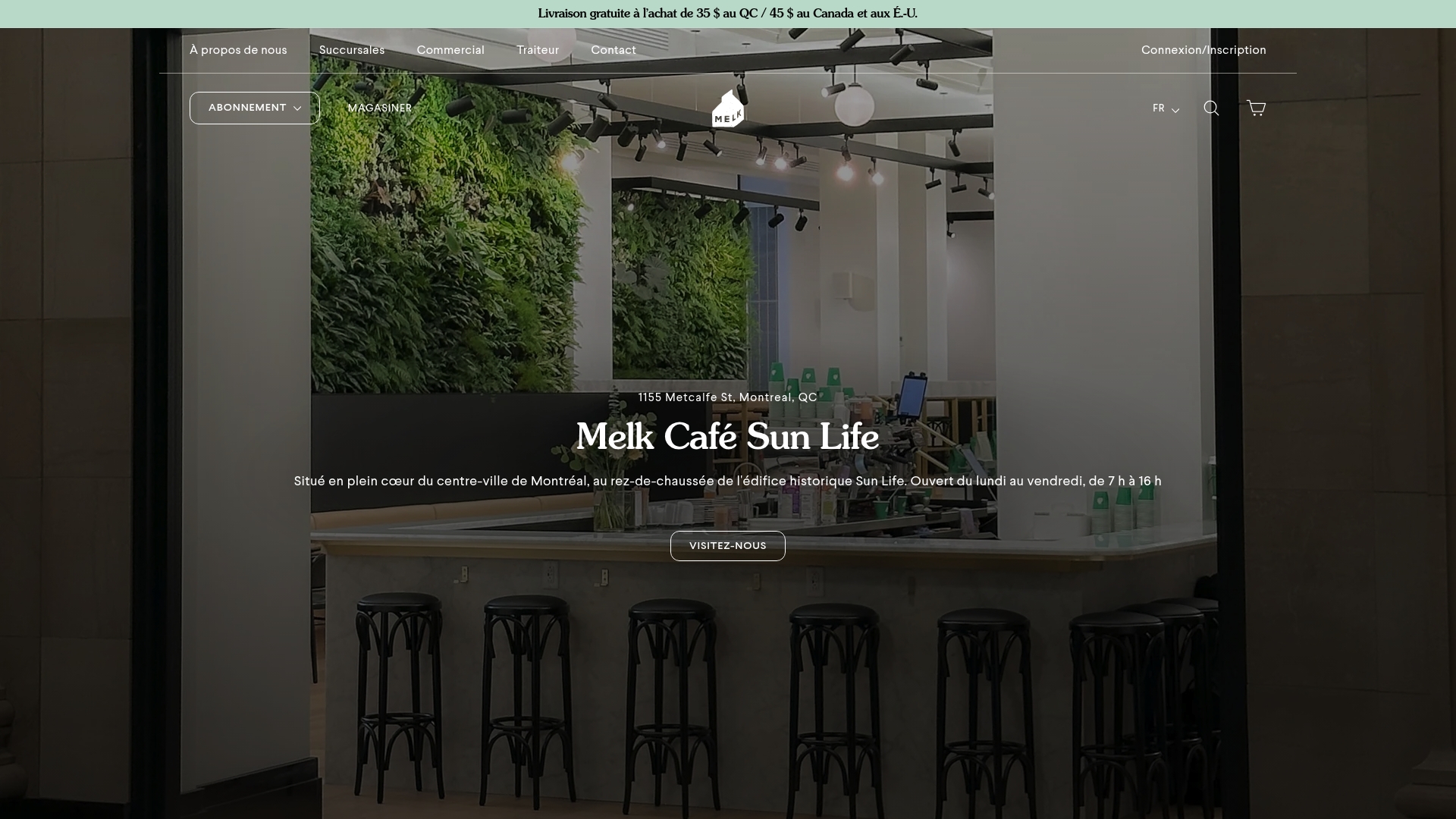
At a Glance
Roasts twice a week on Mondays and Wednesdays to deliver consistently fresh beans to Montreal cafes and subscribers. melk.cafe emphasizes 100% organic sourcing and regenerative agriculture, pairing frequent roasting with in-person service across multiple neighborhood locations.
Core Features
melk.cafe combines retail and cafe service with a straightforward online store and subscription plans.
- Twice weekly roasting schedule that prioritizes freshness for all grind options and brewing methods.
- Biodegradable and compostable packaging for whole beans and ground options, plus single-origin and blend selections.
- Multiple Montreal locations for pickup, tasting, and community events, alongside an online subscription model and gift sets.
Key Differentiator
The shop’s operating model centers on regular small-batch roasting and visible local presence. That practice keeps roast dates close to delivery and gives Montreal customers a place to compare single-origin profiles in person. The combination of organic certification and active neighborhood cafes defines melk.cafe’s narrow, locality-first approach.
Pros
- Strong traceability. The brand provides origin details that help you choose beans by region and processing style rather than guesswork.
- Freshness rhythm is predictable. Roasting on set days makes scheduling subscriptions and in-store pick ups easy for regular home baristas.
- Sustainable packaging is standard, not optional, which reduces downstream waste for customers who compost or reuse.
- Wide grind range. Options for espresso, filter, and coarse brews let you experiment without buying separate bags.
- Subscription flexibility. You can pause or change grind and roast preferences, useful for varied brewing routines.
Cons
- International customers outside North America will find shipping limited; availability is focused on Canada and the US.
- Pricing sits in the premium bracket, with larger bags listed up to the higher end of the range, which may not suit budget buyers.
- Independent reviews are relatively sparse online, so external validation beyond the brand’s product pages is limited.
When It May Not Fit
If you need global, low-cost shipping for recurring orders, melk.cafe’s geographic limits and premium rates will be frustrating. If your priority is the lowest possible price per pound rather than organic sourcing and roast freshness, this offering is a poor fit.
Who It’s For
Montreal residents and environmentally minded coffee fans who prioritize organic sourcing and fresh roast dates. Home baristas who change brewing methods often will appreciate the grind choices and subscription timing. Small offices and event buyers seeking local catering also match the brand profile.
Real World Use Case
A home barista subscribes to a medium roast single-origin, selects weekly grind for Aeropress, and times deliveries around the Monday roast. They stop by the Sun Life cafe once a month to sample a new seasonal roast and pick up merchandise between deliveries.
Pricing
Bags range roughly from $19.95 up to about $67 USD for larger formats. Subscriptions and gift sets provide discounts. melk.cafe advertises free shipping over $35 CAD in Quebec and $45 CAD elsewhere in Canada and the US.
Website: https://melk.cafe
biodynamic.coffee
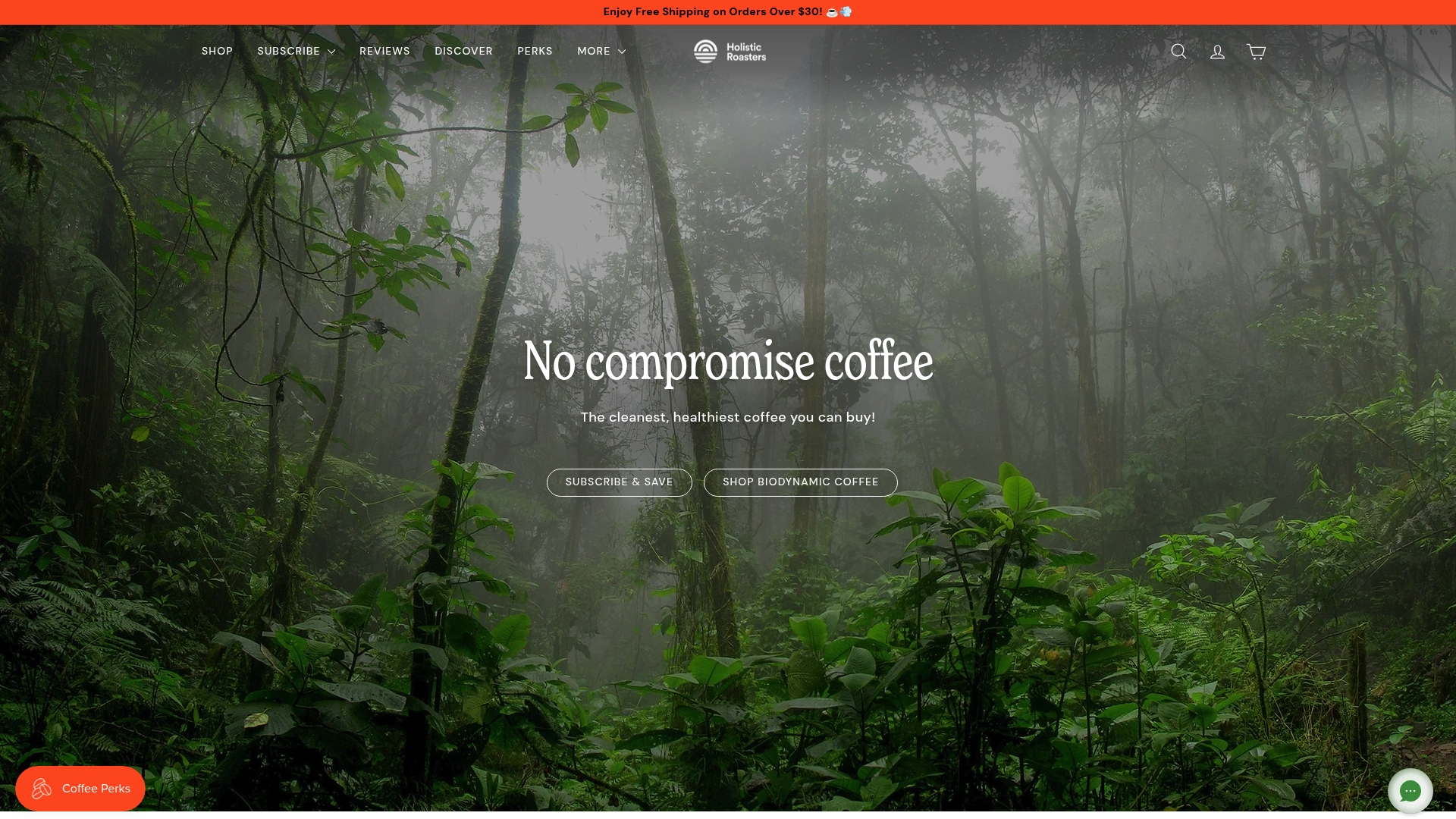
At a Glance
According to the company, every lot is lab-tested for mold and heavy metals before sale, a claim that directly targets health-conscious buyers. The lineup emphasizes biodynamic and certified organic beans paired with curated brewing gear for home use.
Core Features
- Lab-tested lots for mold and heavy metals reported by the vendor, plus public-facing product details about origins and farming methods.
- Certified biodynamic and USDA Organic options; EcoCert and Demeter certifications are listed across many offerings.
- Subscription plans with up to 20% discounts and flexible delivery cadence for regular shipments.
- A focused catalog of single-origin roasts, decaffeinated choices, and a small selection of brewing accessories.
- Partnerships with regenerative agriculture groups such as Kiss The Ground and Erewhon that support outreach and education.
Key Differentiator
The brand positions biodynamic farming as its core distinction and says this goes beyond organic rules to actively restore soil and biodiversity. The vendor’s marketing materials state certification by Demeter, USDA Organic, and EcoCert, and pair those claims with third-party lab testing to create a single claim set around purity and ecological regeneration.
Pros
- Transparent safety focus. The lab testing claim above gives you a clear, documentable reason to choose these beans if you worry about mold or heavy metals.
- Strong sustainability signals. Certifications and stated regenerative partnerships make the sourcing story easy to trace for buyers who care about on-farm practices.
- Taste variety and roast options. You get light, medium, dark, and decaf choices suitable for pour-over, espresso, and filter brewing preferences.
- Subscriptions that reward frequency. Discounted recurring orders reduce per-bag price by as much as the vendor advertises and simplify reordering.
- Curated gear matches the beans. The accessories list is short but intentionally selected to help you get better extraction at home.
Cons
- Primarily online with limited international shipping details, so buyers outside supported regions face uncertainty about delivery timelines and fees.
- Premium pricing reflects certifications and testing; a small-batch premium may be hard to justify for budget shoppers.
- Narrow product breadth. The catalog focuses on coffee and a few accessories rather than a broader lifestyle assortment.
- No widely published third-party ratings were included in the product data, which leaves independent verification of roast profiles and service experience sparse.
When It May Not Fit
If you are a wholesale buyer chasing the lowest cost per pound for high-volume cafes, this offering is a poor match because it is not optimized for commodity pricing. If you need clear international shipping windows before ordering, the limited public details will likely frustrate you.
Who It’s For
Buyers who prioritize purity and regenerative farming over bargain pricing. That includes health-minded consumers, small cafes willing to pay a premium for certified sourcing, and gift buyers who want an ethically framed, lab-tested coffee set.
Real World Use Case
A wellness-focused household subscribes for monthly deliveries to ensure consistent access to toxin-tested beans. They brew with a V60 and appreciate both the clear origin notes on the bag and the vendor’s stated support for on-farm regeneration through partner organizations.
Pricing
Bags start around $19.95 for smaller sizes and scale up to about $133 for a 5 lb bulk package. Subscription discounts of up to 20 percent are advertised and shipping is free on orders over $30, according to the vendor.
Website: https://biodynamic.coffee
Kittel Coffee
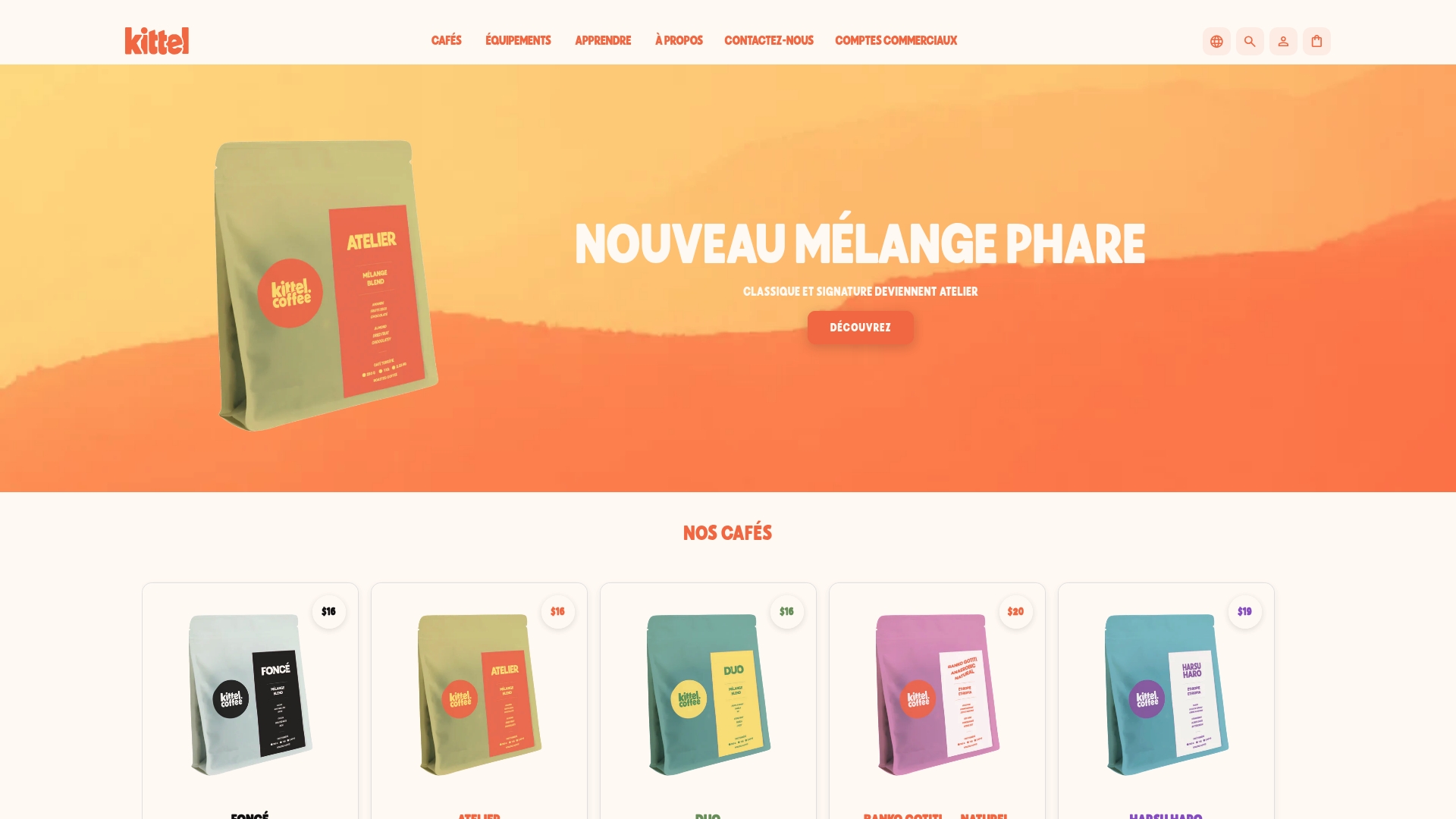
At a Glance
Kittel advertises that it roasts fresh batches to order and offers both in-store pickup and subscription deliveries, a service mix that favors local customers. Customer reviews and marketing materials report high satisfaction with freshness and sourcing, a claim I reference below as the satisfaction signal.
Core Features
- Freshly roasted beans sourced from named producers and roasted in small batches to preserve flavor.
- Single origin, blends, and decaf options with tasting notes and origin details on each listing.
- Subscription service with recurring deliveries and discounts for regular orders.
- Brewing equipment and accessories available in-store and online.
- Transparent sourcing and quality control information on each coffee page.
Key Differentiator
Kittel’s pitch is transparency plus local service. Where Maisoncantin focuses on small-batch roasting to order and an artisanal experience, Kittel leans harder into visible origin stories and a Montreal storefront that supports same-day pickup. That makes Kittel a better fit if you want origin detail and local collection rather than a broader lifestyle offering.
Pros
- High roast quality. The small-batch, roast-to-order approach delivers clear freshness and brighter tasting notes compared with mass-roasted beans.
- Strong selection. Single origins, targeted blends, and decaf let you test multiple profiles without hunting multiple suppliers.
- Transparent sourcing. Each coffee lists origin details and producer information, which helps you match taste to provenance.
- Subscription convenience. Regular deliveries remove reordering friction and offer a predictable savings cadence.
- Local pickup option. Montreal customers can avoid shipping fees and collect the same-day roast when timing works.
Cons
- Shipping limits. International delivery is limited outside North America, which reduces access for buyers abroad.
- Premium pricing. Specialty-grade beans start at a higher price point, so budget shoppers will feel the difference.
- Stock volatility. Popular lots can sell out quickly, requiring flexibility in selection or waiting for the next roast.
- Narrow product range. The catalog focuses on beans and basic equipment rather than a broad gift or lifestyle assortment.
When It May Not Fit
If you live outside North America and need reliable, low-cost shipping, Kittel’s geographic limits will frustrate you. If your priority is the lowest possible price for brewed coffee rather than single origin exploration, the premium per-bag cost makes this a poor match. High-volume cafes sourcing steady monthly tonnage may find occasional stock gaps inconvenient.
Who It’s For
Home baristas, specialty coffee hobbyists, and Montreal shoppers who value roast freshness and origin transparency. It also fits small coffee shops looking for curated lots rather than commodity blends. If you collect tasting notes and tweak brew ratios, Kittel’s selection rewards that habit.
Real World Use Case
I subscribed to a monthly single origin and a rotating blend. The first deliveries arrived within days of roast, and the origin notes matched cup tasting. I used in-store pickup once for a last-minute order and adjusted grind and brew guides from the site to refine my pour-over technique.
Pricing
Most 250g bags start around $16 USD, with specialty lots and larger sizes priced higher. Subscriptions include discounts; free in-store pickup is offered for local orders. Shipping costs vary by destination and are calculated at checkout.
Website: https://kittelcoffee.com
Comparing Maison Cantin and Alternative Coffee Services
Choosing a coffee provider deeply impacts your daily brewing experience. Here, Maison Cantin is closely evaluated alongside other key service providers to identify which meets distinct consumer preferences effectively.
Freshness Through Roasting Practices
Maison Cantin emphasizes roast-to-order small batches, ensuring that coffee reaches customers shortly after it is prepared. Compared to competitors, particularly melk.cafe which roasts on a predetermined schedule, Maison Cantin’s method ensures ultimate freshness for each batch. On the other hand, Kittel Coffee aligns with Maison Cantin in roasting fresh batches to order but lacks coverage beyond the Montreál locality for in-person purchases, potentially limiting access. Meanwhile, biodynamic.coffee’s focus on environmentally conscious certifications and screenings offers a different take on freshness paired with purity measures.
Sustainability and Ethical Practices
Both melk.cafe and biodynamic.coffee incorporate sustainable initiatives prominently in their offerings. Melk.cafe enforces the use of biodegradable packaging for all its products, whereas biodynamic.coffee emphasizes biodynamic-certified practices coupled with lab tests that claim to ensure product purity. Where Maison Cantin excels, however, is balancing this ethical focus with a dedication to delivering flavor-consistent Arabica blends tailored for ritualistic coffee experiences. Kittel Coffee includes transparent sourcing details but prioritizes localized operations over broad sustainability narratives.
Best Fit Recommendations
- Maison Cantin stands out for individuals and small cafés valuing the utmost roast freshness paired with single-origin Arabica options highlighting consistent cup clarity.
- melk.cafe suits Montreal residents or sustainability-focused buyers wanting predictable roasting schedules and options from eco-friendly packaging.
- biodynamic.coffee is an excellent choice for the health-conscious or eco-minded consumer seeking rigorously tested beans sourced through regenerative farming practices.
- Kittel Coffee appeals most to Montreál natives desiring same-day roast access and those who prioritize transparent sourcing profiles.
Our Pick
Maison Cantin provides a unique advantage for coffee enthusiasts who seek artisanal small-batch coffee with an emphasis on freshness and ethically sourced Arabica options. It may not suit buyers prioritizing geographically localized support or extensive eco-certification transparency. For these individuals, picking a competitor aligned with their values might be preferable.
Small-Batch Roasted Coffee Comparison
Explore the options for premium small-batch roasted coffee offerings to select the brand that fits your preferences.
| Product | Core Feature | Key Differentiator | Best For | Pricing | Notable Limitation |
|---|---|---|---|---|---|
| Maison Cantin | Artisanal small-batch roasting for freshness | Organic Arabica beans for taste clarity | Home baristas and cafes | Starting at $23.99 per 12 oz | Premium pricing may deter casual drinkers |
| melk.cafe | Local cafe integration with fresh roast dates | Biodegradable packaging and 100% organic sourcing | Environmentally conscious buyers | From $19.95 up to $67 | Limited international shipping |
| biodynamic.coffee | Lab-tested purity with certified sourcing | Biodynamic farming and soil regeneration focus | Health-conscious coffee drinkers | From $19.95 to $133 for bulk | Narrow catalog and premium pricing |
| Kittel Coffee | Single origins with transparent sourcing | Local Montreal pickup and fresh roast-to-order | Specialty coffee hobbyists | From $16 for 250g bags | Limited stock availability occasionally |
Elevate Your Coffee Experience Beyond DesignMontreal.com Alternatives
Choosing the right design tool is vital, yet the best daily ritual to start your day might actually be a fresh cup of specialty coffee. Unlike generic coffee brands, Maisoncantin focuses on roasting small batches to order. This commitment ensures you enjoy maximum freshness and flavor that deeply complement your creative moments, whether working on design projects or brainstorming new ideas.
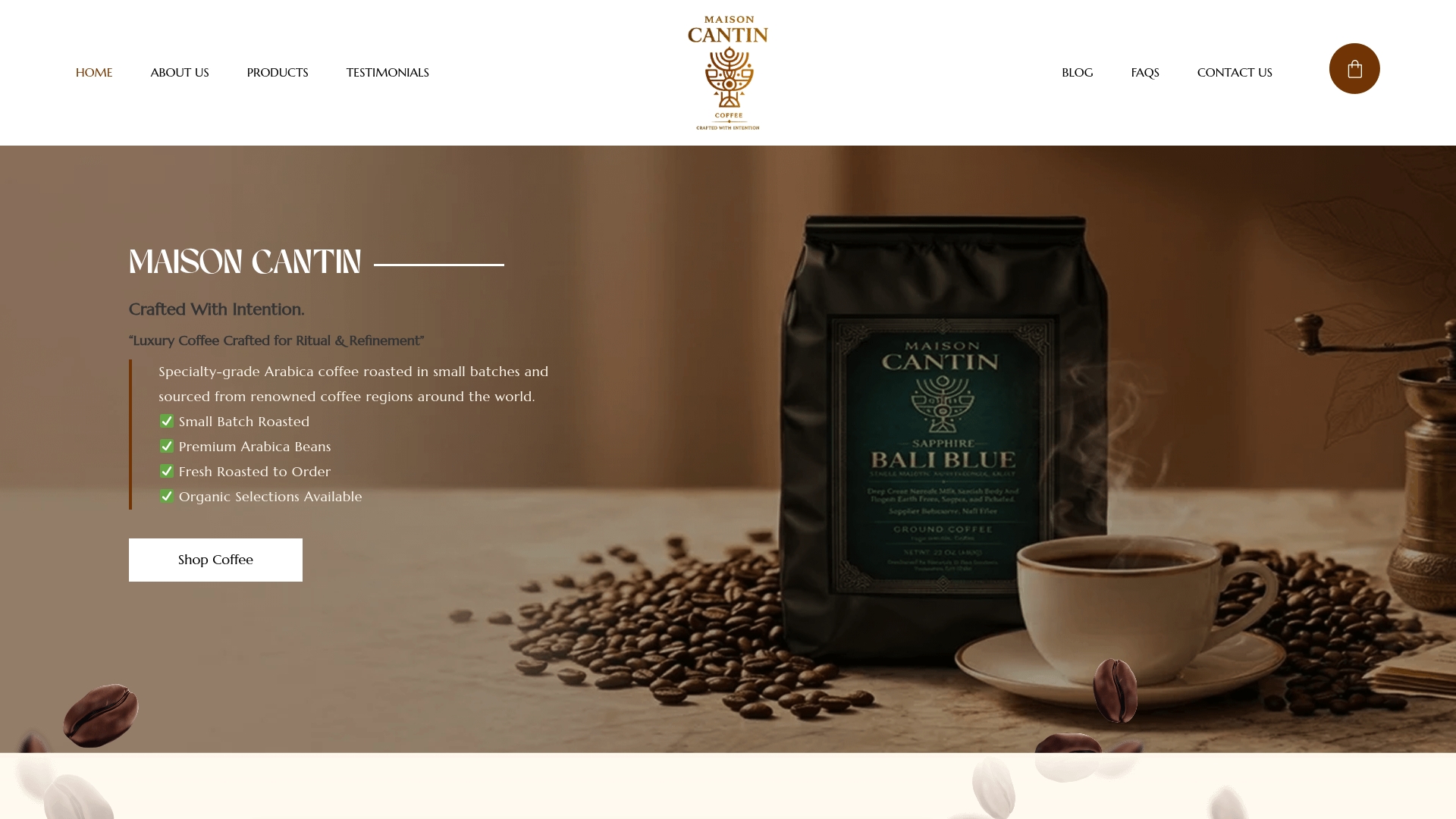
Discover how personalized freshness and premium organic Arabica beans can enhance your daily routine. Visit Maisoncantin to explore uniquely crafted blends that turn coffee breaks into mindful ceremonies. Start your next order and taste the difference fresh roasted coffee makes to your focus and clarity.
Frequently Asked Questions
What makes Maisoncantin’s coffee a good choice for freshness?
Maisoncantin roasts coffee to order in small batches, ensuring that beans arrive shortly after roast rather than weeks later. This small batch roast schedule preserves volatile aromatics and enhances flavor clarity compared to mass roast models. If you value the freshness of your coffee, Maisoncantin’s approach is ideal for a superior brewing experience.
How does the pricing of Maisoncantin compare to other options?
Maisoncantin’s products start at $23.99 per 12 oz package, which leans towards the premium price point in the market. While competitors like melk.cafe and biodynamic.coffee also offer high-quality options, their prices vary, with melk.cafe starting around $19.95. If you are looking for a fresh, artisanal coffee experience, be prepared for the premium pricing that accompanies it.
What is the difference between Maisoncantin and melk.cafe?
Melk.cafe emphasizes a twice-weekly roasting schedule that prioritizes freshness for local customers in Montreal. In contrast, Maisoncantin allows for subscription deliveries of small-batch roasted coffee directly sourced from various origins. If you prefer frequent local pickups, melk.cafe may be better suited for you, while Maisoncantin offers the flexibility of home delivery based on your specific roast needs.
Can I choose different formats of coffee with Maisoncantin?
Yes, Maisoncantin provides coffee in various formats including whole bean, ground, and capsules. This flexibility caters to different brewing methods, whether you prefer espresso, pour-over, or convenient single-serve options. You can easily select the format that matches your brewing style to enhance your coffee ritual.
What sustainability practices does Maisoncantin follow?
Maisoncantin focuses on ethically sourced, organic Arabica beans, emphasizing artisanal small batch roasting. Unlike some competitors that highlight broader sustainability measures, Maisoncantin’s primary focus is on quality through ethical sourcing and freshness, making it a great choice for environmentally conscious coffee drinkers.