The best organic coffee blends for wellness are defined by three non-negotiable qualities: certified organic beans, functional ingredients with documented health effects, and third-party lab testing for contaminants. This is not a category where marketing language substitutes for substance. Brands like Purity Coffee, Quince’s Certified Organic Mushroom Coffee Focus Blend, and Mosaic Makers Collective have raised the standard by combining specialty-grade Arabica with adaptogens, functional mushrooms, and amino acids that work alongside caffeine rather than against it. Your morning cup can be a ceremony of clarity and intention. It simply requires knowing what to look for.
1. What makes organic coffee blends the best choice for wellness
The best organic coffee blends for wellness go beyond the absence of pesticides. Organic coffee carries a higher total polyphenol profile than conventionally grown coffee, and those polyphenols are the primary drivers of its cardiovascular and anti-inflammatory benefits. That distinction matters when you are choosing a daily ritual, not just a beverage.
Functional ingredients are what separate a wellness-focused blend from a standard organic roast. Lion’s mane supports neurogenesis and cognitive clarity. Chaga delivers beta-glucans that modulate immune response. Reishi promotes calm focus and stress resilience. L-theanine, an amino acid found in green tea, smooths the stimulant arc of caffeine so you get sustained energy without the spike and crash.
Premium blends are also transparent about dosage. A serving with 48mg caffeine and 2,400mg mushroom blend delivers measurable functional impact without overwhelming your nervous system. That ratio is the benchmark worth comparing against when you evaluate any new product.
Key functional ingredients to look for:
- Lion’s mane for focus and memory support
- Chaga for antioxidant and immune benefits
- Reishi for stress adaptation and calm energy
- L-theanine for balanced, jitter-free alertness
- Adaptogens like ashwagandha or rhodiola for cortisol regulation
Pro Tip: If a blend lists mushrooms but does not specify the milligram dosage per serving, treat that as a red flag. Effective functional doses are always disclosed by reputable brands.
2. How to identify high-quality organic coffee blends for wellness
Quality in this category is verifiable, not assumed. Here is what to check before you commit to any blend.
- USDA Organic certification. This confirms the beans were grown without synthetic pesticides or fertilizers. Non-GMO Project verification adds another layer of assurance about genetic integrity.
- Third-party lab testing. Functional mushrooms can accumulate molds, mycotoxins, and heavy metals, so independent testing is not optional. Look for a certificate of analysis (COA) on the brand’s website.
- Fruiting body vs. myceliated oats. Double-extracted fruiting body mushroom extracts contain higher bioactive compounds than myceliated oats, which are starch-heavy fillers with minimal functional value. The label should specify “fruiting body extract.”
- Sourcing transparency. Brands that name their farms or cooperatives, specify altitude and processing method, and disclose extraction ratios are operating at a different standard than those that offer vague “premium blend” language.
- Packaging integrity. Nitrogen-flushed, resealable bags protect both the coffee’s aromatic compounds and the stability of functional mushroom extracts. Avoid brands that ship in thin, non-resealable pouches.
“There is no single superior functional mushroom blend. What separates the best from the rest is transparency about lab testing and the complete absence of fillers.” — Serious Eats, Best Mushroom Coffee 2026
Reading the label carefully is the single most protective act a wellness-focused buyer can take. Check for caffeine milligrams per serving, mushroom extract milligrams, and the specific species listed. Understanding coffee processing methods also helps you assess whether the base bean quality matches the functional claims.
3. Top organic coffee blends with functional wellness benefits
These six blends represent the current standard for natural coffee blends that deliver on both flavor and function.
Certified Organic Mushroom Coffee Focus Blend (Quince)
This blend combines organic Mountain Arabica with seven functional mushrooms and L-theanine for a profile that supports cognition, immunity, and mood simultaneously. Each serving delivers 48mg of caffeine alongside 2,400mg of mushroom extract, a ratio that produces sustained energy without jitters. It is USDA Organic certified and third-party tested for heavy metals and mycotoxins.
Mushroom Coffee+ Mild Roast (Wellb)
Wellb’s mild roast uses double-extracted fruiting body extracts to maximize beta-glucan and triterpene content. The mild roast profile preserves more of the coffee’s natural polyphenols while keeping caffeine moderate. It is a strong choice for those new to functional coffee who want nootropic benefits without intensity.
Herbes en Carob Organic Integrated Coffee™ (Mosaic Makers Collective)
This blend takes a distinctly herbal approach. Rosemary and carob are added alongside chaga to support mental focus and digestive health in the same cup. The carob adds a natural sweetness that reduces the need for added sugar, making it a genuinely nutritional coffee option for those watching glycemic load.
Coco Lavende Organic Integrated Coffee™ (Mosaic Makers Collective)
Lavender and coconut milk powder create a soothing, aromatic profile that makes this blend ideal for afternoon or early evening use. The lavender and chaga combination supports calm vitality rather than stimulation, which is a rare and valuable quality in a coffee blend.
Purity Coffee
Purity Coffee is built around a single premise: remove everything that does not serve your health. The beans are specialty-grade, tested for mold and mycotoxins, and roasted to maximize antioxidant retention. There are no functional mushrooms here. The wellness claim rests entirely on organic coffee’s antioxidant profile and the absence of contaminants that compromise most commercial roasts.
Maisoncantin Specialty Organic Blends
Maisoncantin approaches wellness coffee from the perspective of craft and intentionality. Small-batch, fresh-roast-to-order production preserves the volatile aromatic compounds and polyphenols that degrade in pre-roasted commercial coffee. The result is a cup that delivers both sensory refinement and the full antioxidant benefit of premium organic Arabica. For those who want specialty-grade quality as the foundation of their wellness ritual, this is the standard.
| Blend | Key Functional Ingredients | Best For |
|---|---|---|
| Quince Mushroom Focus | 7 mushrooms, L-theanine, Arabica | Cognitive focus, immunity |
| Wellb Mushroom Coffee+ | Double-extracted fruiting bodies | Nootropic support, mild energy |
| Mosaic Herbes en Carob | Chaga, rosemary, carob | Brain-gut health, digestion |
| Mosaic Coco Lavende | Lavender, chaga, coconut | Calm vitality, afternoon use |
| Purity Coffee | Antioxidant-optimized Arabica | Clean energy, mold-free purity |
| Maisoncantin | Fresh-roasted specialty Arabica | Sensory ritual, polyphenol richness |
4. How to brew organic wellness coffee for optimal benefits
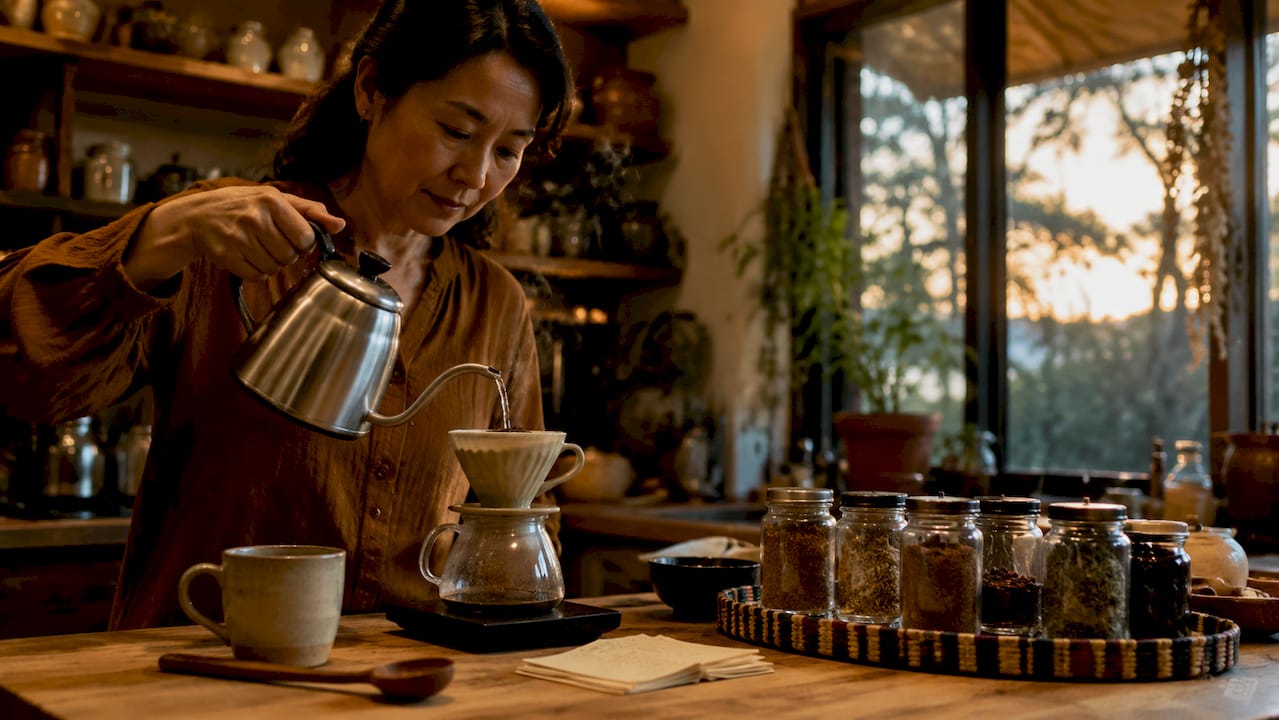
Brewing method directly affects both flavor and the bioavailability of functional compounds. Non-espresso drip and reusable k-cups are the recommended methods for mushroom and adaptogen blends. High-pressure espresso extraction can over-concentrate certain bitter compounds in mushroom extracts, which diminishes the drinking experience without adding functional benefit.
Water temperature is a variable most people underestimate. The ideal range is 195 to 205 degrees Fahrenheit. Water that is too hot degrades heat-sensitive polyphenols and can make adaptogen extracts taste harsh. Water that is too cool under-extracts the coffee’s soluble compounds, leaving functional ingredients partially dissolved.
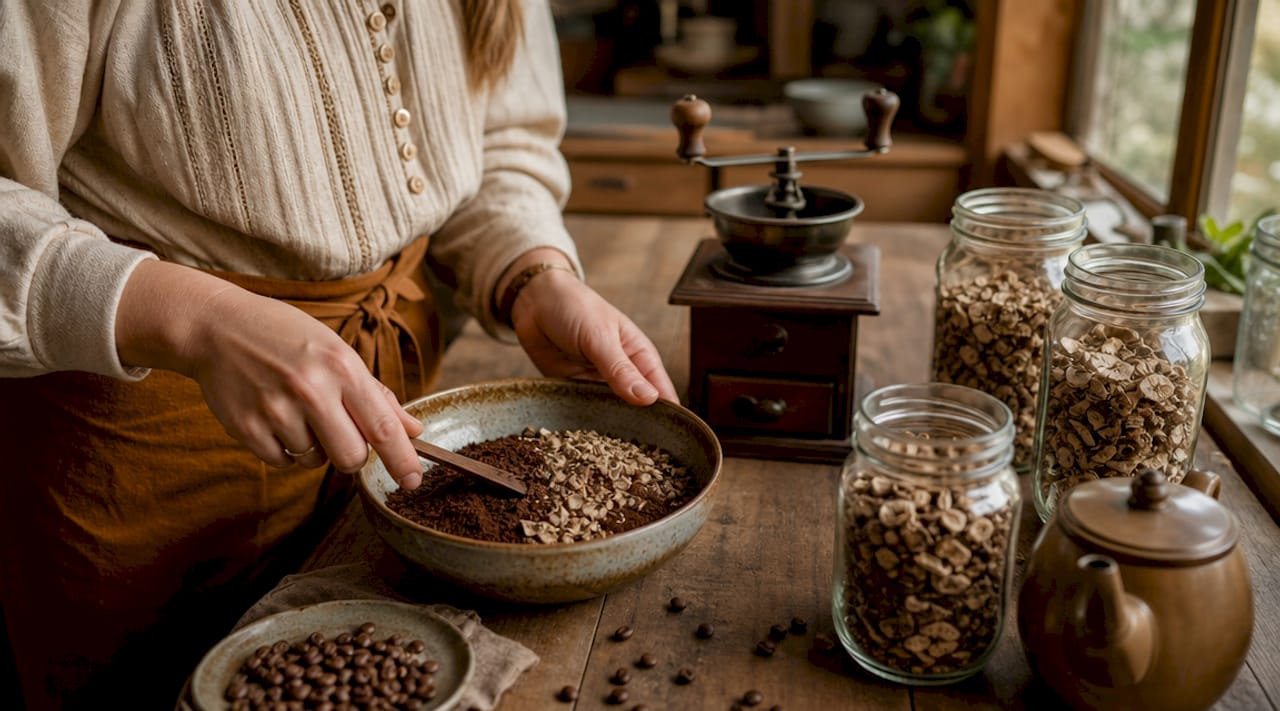
Pro Tip: For mushroom coffee blends, grind size and brew time require more attention than with standard coffee. A medium grind with a 4-minute brew time in a French press or pour-over preserves both flavor and active compounds. Finer grinds risk bitterness from over-extraction of the mushroom extracts.
Storage is where most people lose the benefits they paid for. Keep your blend in an airtight, opaque container away from heat and light. Grinding fresh before each brew preserves the coffee bloom and the volatile aromatic compounds that signal freshness. Pre-ground wellness blends stored in open bags lose potency within days.
Additional brewing practices that protect your investment:
- Use filtered water to avoid chlorine interference with delicate flavors
- Pre-warm your brewing vessel to stabilize extraction temperature
- Avoid reheating brewed coffee, which degrades both flavor and functional compounds
- Pair with whole foods like nuts or fruit rather than processed creamers that add inflammatory oils
5. How to choose the right blend for your wellness goals
The right blend depends on what you are asking your coffee to do for you. Not every wellness goal calls for the same formulation.
For cognitive focus and mental clarity: Choose blends with lion’s mane and L-theanine as primary functional ingredients. The matcha-versus-coffee comparison is worth understanding here. L-theanine in coffee blends replicates some of the calm-focus effect that makes matcha popular, without sacrificing the depth of flavor that coffee drinkers value.
For immune support and resilience: Prioritize blends with chaga and reishi. These two mushrooms have the strongest evidence base for beta-glucan content and immune modulation. Look for third-party testing that confirms beta-glucan percentages.
For sensitive individuals or low-caffeine needs: Mild roast blends with 45mg or less caffeine per serving are the right starting point. Herbal-forward blends like Coco Lavende offer functional benefits with a gentler stimulant profile. Decaffeinated organic options are also worth considering if caffeine sensitivity is significant.
For budget-conscious buyers: Purity Coffee and Wellb’s Mushroom Coffee+ offer strong value relative to their quality tier. Functional coffee is an investment, but the cost per serving of a 30-serving pouch is typically comparable to a single specialty café drink.
A note on health consultations: If you take medications that affect liver enzymes, are pregnant, or manage a chronic condition, consult your physician before adding functional mushroom blends to your daily routine. Reishi in particular has mild blood-thinning properties that interact with certain medications.
Key takeaways
The best organic coffee blends for wellness combine certified organic Arabica, double-extracted functional mushrooms, and third-party lab testing to deliver measurable health benefits without compromising on flavor or safety.
| Point | Details |
|---|---|
| Certification is non-negotiable | USDA Organic and third-party COA testing confirm purity and potency. |
| Fruiting body extracts outperform mycelium | Double-extracted fruiting bodies deliver more beta-glucans than myceliated oat fillers. |
| Dosage transparency signals quality | Reputable blends disclose exact milligrams of caffeine and mushroom extract per serving. |
| Brewing method protects bioactives | Drip or pour-over at 195 to 205°F preserves functional compounds better than espresso. |
| Match the blend to your goal | Focus, immunity, calm, and gentle energy each call for a different functional profile. |
Why I keep coming back to transparency as the real differentiator
I have tasted a lot of wellness coffee. Some of it was genuinely good. Much of it was beautifully packaged and functionally hollow. The pattern I keep noticing is that the brands worth trusting are the ones that make you work slightly less to find their lab results.
The blends that impressed me most were not the ones with the longest ingredient lists. They were the ones where I could trace the mushroom extract back to a specific extraction method, confirm the milligram dosage, and find a COA without emailing customer service. That level of transparency is rare, and it correlates almost perfectly with product quality in my experience.
I also think the wellness coffee category rewards patience. Your first week with a lion’s mane blend will not feel like a revelation. The benefits of adaptogens and functional mushrooms accumulate over consistent use. The people who dismiss these blends usually tried them for three days and moved on. That is not how adaptogens work.
For newcomers, I would suggest starting with a single-mushroom blend or a mild roast with L-theanine before committing to a seven-mushroom formulation. Build familiarity with how your body responds. Then layer in complexity. The ritual matters as much as the formula.
— Lily
Discover Maisoncantin’s premium organic coffee collection
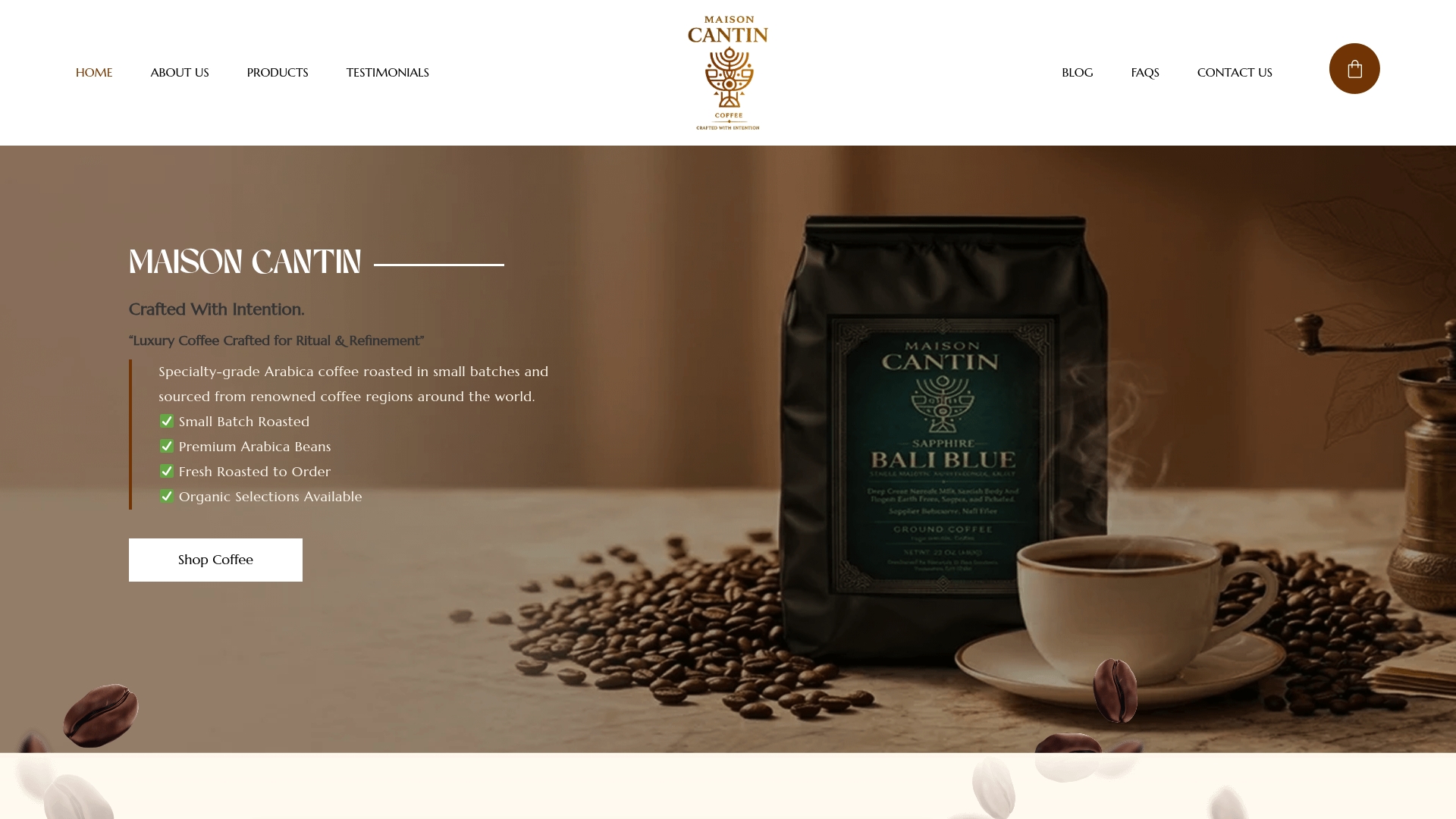
Maisoncantin roasts every order fresh, in small batches, so the polyphenols and aromatic compounds in your cup are at their peak from the first brew. The Sapphire Collection and Amber Collection each feature specialty-grade organic Arabica crafted for distinct moments in your day. Morning clarity. Midday focus. Evening conversation. Browse the full Maisoncantin product range to find the blend that fits your wellness ritual, or visit Maisoncantin to learn more about the craft behind every roast.
FAQ
What are the best organic coffee blends for wellness?
The best blends combine USDA Organic certified Arabica with functional mushrooms like lion’s mane, chaga, and reishi, plus L-theanine for balanced energy. Brands like Quince’s Certified Organic Mushroom Coffee Focus Blend and Purity Coffee consistently meet the quality and transparency standards that define this category.
How much caffeine is in a functional organic coffee blend?
Premium functional blends typically contain 45 to 90mg of caffeine per serving, which is lower than a standard espresso shot. This moderate caffeine level, combined with L-theanine, produces sustained focus without the jitter or crash associated with higher-caffeine commercial coffees.
Are mushroom coffee blends actually effective?
Effectiveness depends on the extraction method and dosage. Double-extracted fruiting body mushroom extracts deliver higher concentrations of beta-glucans and triterpenes than myceliated oat-based products, which are largely starch. Look for blends that specify fruiting body extraction and disclose milligram dosages.
What should I avoid when buying wellness coffee?
Avoid blends that list “myceliated oats” as the mushroom source, omit dosage information, or lack a publicly available certificate of analysis. Experts recommend prioritizing lab testing transparency and sourcing details over marketing claims when selecting any functional coffee blend.
Does organic coffee have more antioxidants than regular coffee?
Yes. Organic coffee shows a higher total polyphenol profile than conventionally grown coffee, which translates to greater cardiovascular and anti-inflammatory support. The absence of synthetic pesticide residues also means those polyphenols are not competing with chemical interference in your body.