

Coffee as self-care is the intentional practice of savoring your daily cup with full sensory awareness, treating the act of brewing and drinking as a deliberate pause for mental calm and emotional restoration. This goes well beyond caffeine. A 2025 Nespresso survey found that 77% of people include coffee in their morning routine, with roughly one in four describing it as a key mindfulness moment. That number signals something real: for millions of people, coffee is not just a stimulant. It is a ceremony. One that anchors the day, steadies the mind, and creates a pocket of intentional calm in an otherwise relentless schedule.
What is coffee as self-care, and why does it matter?
Coffee as self-care, sometimes called a mindful coffee ritual in lifestyle medicine and wellness circles, is defined by how you drink rather than simply what you drink. The standard industry term for this practice is “mindful consumption,” and it applies to any beverage or food experience approached with full presence and sensory attention. When applied to coffee, it means slowing down the brew, noticing the aroma, feeling the warmth of the cup, and sipping without distraction.
The act of brewing and savoring coffee creates a micro-ceremony that signals the brain to shift from stress to relaxation. This is not metaphor. It is behavioral conditioning. When you repeat a sensory sequence consistently, your nervous system learns to associate that sequence with calm. The ritual itself carries as much therapeutic weight as the coffee inside the cup.
Self-care rituals, as defined by psychologist Tara Cous PhD, are structured, repeatable behaviors that restore psychological resources. Coffee fits this definition precisely when approached with intention. It is portable, accessible, and deeply personal. You can shape it around your schedule, your taste preferences, and your wellness goals.
How does coffee support relaxation, mindfulness, and overall well-being?
Coffee’s wellness benefits operate through several distinct pathways, both physiological and psychological. Understanding them helps you use your ritual more deliberately.
The physiological layer
Moderate coffee intake of three to five cups per day is associated with reduced mortality risk and lower incidence of chronic disease. That is the population-level picture. At the individual level, coffee improves mental alertness, physical performance, and even hydration, according to the same PMC review. These functional benefits mean your self-care ritual is also quietly supporting your body’s baseline capacity to handle stress.
Caffeine works by blocking adenosine receptors in the brain, which reduces the perception of fatigue and sharpens focus. Beyond caffeine, coffee contains hundreds of bioactive compounds including chlorogenic acids and polyphenols, which carry their own anti-inflammatory and neuroprotective properties. This is why decaf still delivers measurable wellness benefits, a point worth returning to later.
The psychological layer
The sensory experience of coffee, specifically its aroma, warmth, and flavor, activates comfort responses in the brain. Smell is the only sense with a direct neural pathway to the limbic system, the brain’s emotional center. This is why the scent of freshly ground coffee can shift your mood before you take a single sip. Using coffee for relaxation is, in part, a matter of letting that sensory richness do its work.
Distraction-free coffee breaks act as psychological triggers for emotional balance when paired with consistent environmental cues. In practice, this means your favorite chair, your preferred mug, and a quiet five minutes can collectively train your nervous system to decompress on cue.
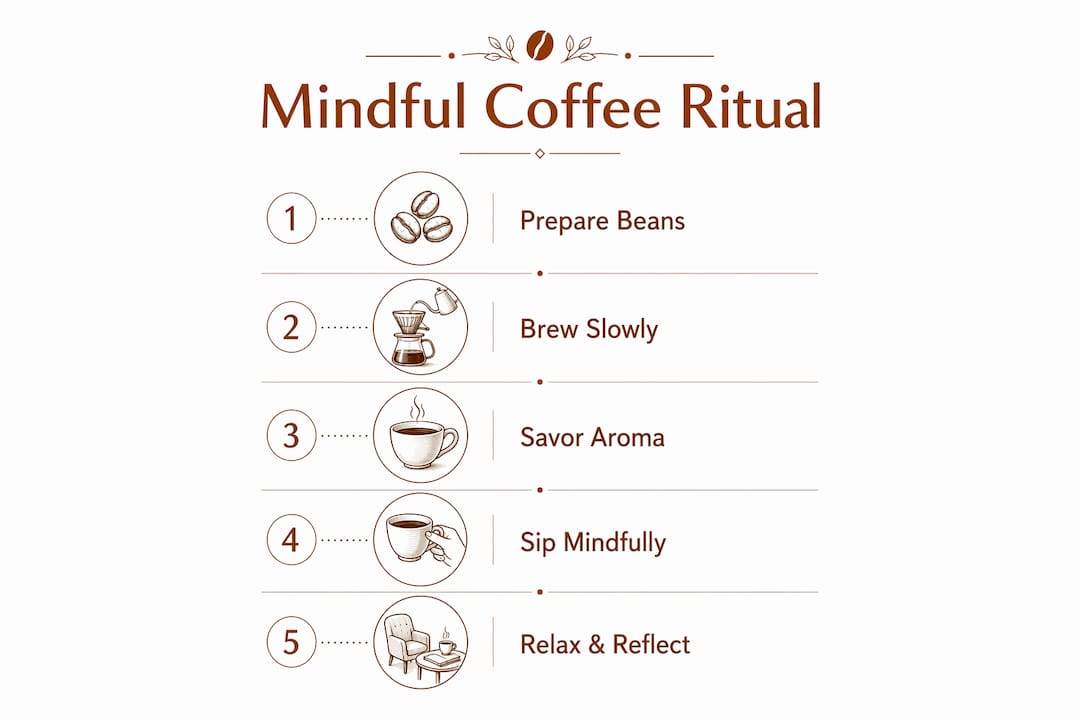
Here is what a mindful coffee ritual engages:
- Sensory grounding: Noticing aroma, temperature, and taste pulls attention into the present moment, the core mechanism of mindfulness practice.
- Routine anchoring: A consistent ritual creates predictability, which reduces ambient anxiety.
- Cognitive reset: Stepping away from screens and tasks, even briefly, restores directed attention and reduces mental fatigue.
- Emotional regulation: Warmth and familiar flavors activate comfort associations, stabilizing mood.
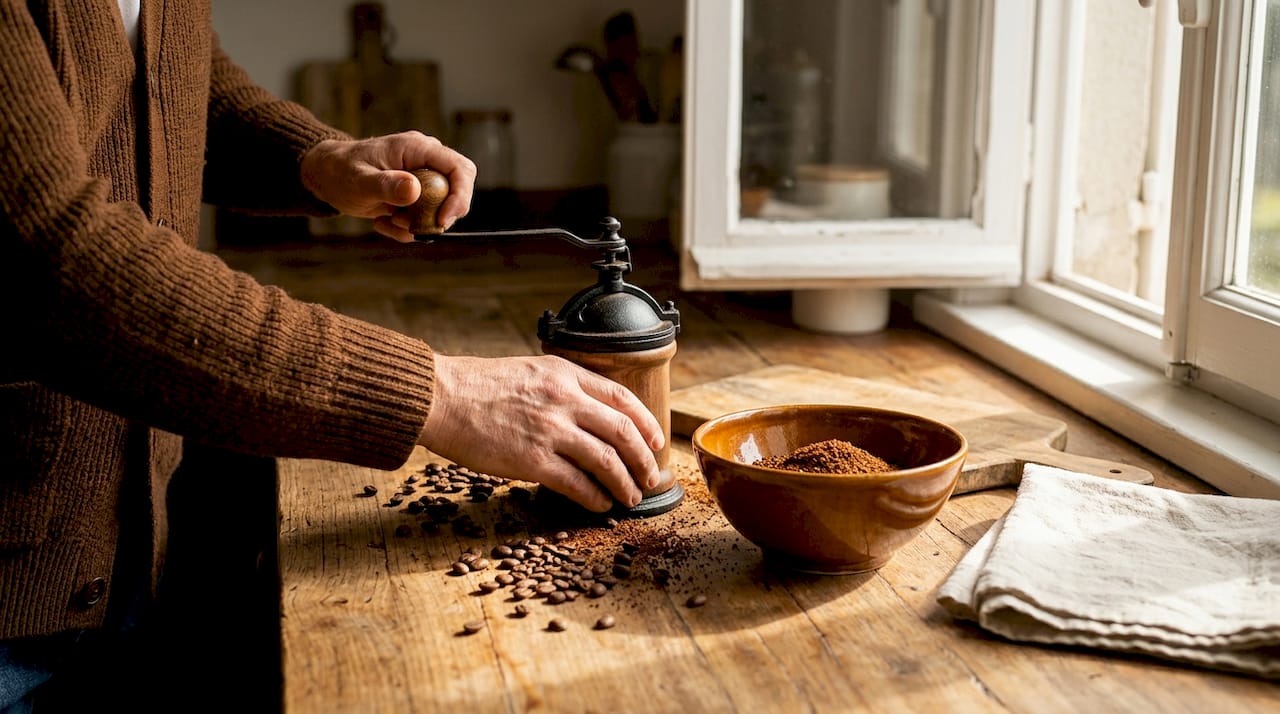
Pro Tip: Grind your beans fresh each morning rather than using pre-ground coffee. The act of grinding adds a tactile, aromatic layer to the ritual and deepens the sensory experience that makes mindful coffee practices effective.
What are the nuanced effects and limitations of coffee as self-care?
Coffee’s effects on mood and mental health are dose-dependent and individual-specific. Moderate intake tends to improve mood and reduce perceived stress. Excessive intake, typically beyond five cups per day for most adults, can trigger anxiety, heart palpitations, and sleep disruption. These are not rare side effects. They are predictable outcomes of crossing your personal caffeine threshold.
A 2026 Nature Communications study introduced a layer of complexity that most wellness articles ignore: coffee shapes the gut microbiome and modifies behaviors including impulsivity and emotional reactivity. This gut-brain axis research suggests that coffee’s role in self-care extends beyond simple stimulation. Your microbiome composition influences how you respond emotionally to stress, and coffee actively changes that composition. The implication is that long-term coffee habits carry mood-regulation effects that accumulate over time, not just in the hour after your morning cup.
The same Nature Communications study found that decaffeinated coffee supports sleep quality, memory consolidation, and reduced emotional reactivity. This makes decaf a legitimate self-care tool for evening rituals, not a consolation prize for people avoiding caffeine.
There are real limitations to acknowledge:
- Timing matters. Caffeine has a half-life of roughly five to six hours. A 3 p.m. cup can still disrupt sleep at 10 p.m., which undermines the recovery that self-care is meant to support.
- Tolerance varies. Genetics, gut microbiome composition, and liver enzyme activity all influence how quickly you metabolize caffeine. What calms one person can agitate another.
- Pregnancy requires caution. Cleveland Clinic guidelines recommend limiting caffeine to 200 mg per day during pregnancy, roughly one and a half standard cups. Self-care during pregnancy means adjusting the ritual, not abandoning it.
- Anxiety amplification. If you already carry high baseline anxiety, caffeine can amplify rather than soothe. In those cases, decaf or a green tea alternative may serve the ritual better.
Pro Tip: Keep a simple log for two weeks. Note your coffee timing, quantity, and mood two hours later. Patterns emerge quickly, and the data helps you personalize your ritual with precision rather than guesswork.
How to create your own mindful coffee ritual
The most effective self-care coffee rituals share a few structural elements, regardless of personal style. They are distraction-free, sensory-rich, and consistent. Beyond that, the design is yours.
| Ritual element | Benefit | Ideal timing |
|---|---|---|
| Slow pour-over or French press brewing | Extends sensory engagement; deepens the transition to calm | Morning reset |
| Sitting without screens for the first sip | Activates present-moment awareness; reduces cortisol spike | Any time of day |
| Pairing with journaling or deep breathing | Compounds mindfulness effect; anchors emotional processing | Morning or midday |
| Decaf with dim lighting and soft music | Supports wind-down without caffeine disruption | Evening unwind |
| Consistent location and mug | Builds environmental cues that condition relaxation response | Daily, all occasions |
The morning coffee ritual is the most common entry point, and for good reason. It sets the psychological tone for the day before external demands take over. A midday ritual serves a different purpose: it acts as a circuit breaker between tasks, restoring focus and reducing accumulated stress. An evening ritual, built around decaf and a quieter atmosphere, signals the nervous system that the day is closing.
Starting with just five to ten minutes of mindful coffee daily is enough to build the habit and sustain its psychological benefits even on demanding days. Consistency matters more than duration. A brief, intentional pause repeated daily outperforms an elaborate ritual practiced occasionally.
A few elements worth building into your space:
- Soft, warm lighting rather than overhead fluorescents
- A dedicated seat that you associate only with rest
- Your preferred brewing method set up the night before, so the morning ritual begins without friction
- A quality coffee worth savoring, because the sensory experience is the mechanism
Can coffee boost your mood and energy within a balanced self-care lifestyle?
Coffee can boost mood and energy, and the evidence is specific. Caffeine and bioactive compounds in coffee improve mental acuity, physical performance, and daily functioning. These are not vague wellness claims. They are measurable outcomes documented across multiple population studies. The key is integrating coffee’s benefits within a broader self-care framework rather than relying on it as a standalone solution.
Coffee works best when it complements, not compensates for, other wellness practices. Hydration is the most overlooked factor. Caffeine has a mild diuretic effect at high doses, so pairing your ritual with a glass of water before or after keeps the net hydration balance positive. Sleep hygiene matters equally. A well-rested nervous system responds to moderate caffeine with clarity and calm. A sleep-deprived one responds with jitteriness and anxiety.
For those exploring alternatives or complements, matcha and coffee serve different but overlapping wellness functions. Matcha delivers L-theanine alongside caffeine, which produces a calmer, more sustained focus. Coffee delivers faster, sharper activation. Neither is universally superior. The right choice depends on your body’s response and the kind of mental state you are cultivating.
The MDPI review on coffee and mental health emphasizes personalizing consumption based on individual tolerance and timing. This is the single most practical takeaway for anyone building a self-care coffee practice. Experimentation with dose, timing, and coffee type is not optional. It is the method.
Key takeaways
Coffee as self-care works because the ritual itself, not just the caffeine, conditions the nervous system to relax, reset, and restore through consistent sensory experience.
| Point | Details |
|---|---|
| Ritual over habit | Intentional, distraction-free brewing activates mindfulness and emotional calm beyond caffeine’s effects. |
| Dose shapes the outcome | Three to five cups daily supports well-being; exceeding personal tolerance triggers anxiety and sleep disruption. |
| Decaf has real value | Decaffeinated coffee supports sleep quality and emotional regulation, making it ideal for evening self-care. |
| Gut-brain connection | Coffee shapes the microbiome, influencing mood and emotional reactivity through biochemical pathways over time. |
| Consistency beats complexity | A five-minute daily ritual outperforms an elaborate one practiced occasionally in building lasting psychological benefits. |
Why I think most people are missing the real point of coffee as self-care
Most wellness content frames coffee self-care as a morning aesthetic: a beautiful mug, soft light, maybe a candle. That framing is not wrong, but it misses the mechanism. The reason coffee rituals work is behavioral conditioning, not ambiance. The environment matters because it trains your nervous system, not because it photographs well.
I have spent years adjusting my own coffee practice, shifting timing, experimenting with decaf in the evenings, and paying attention to how different doses affect my mood two hours later rather than twenty minutes later. The two-hour window is where the real data lives. Most people only notice the immediate lift and miss the downstream effects entirely.
What I have found is that the ritual’s power compounds over time. The first week of a mindful coffee practice feels pleasant but unremarkable. By week four, the sensory cues alone, the smell of the grind, the sound of the kettle, begin to trigger a measurable shift in mental state before the caffeine even enters the picture. That is conditioning. That is self-care working at the neurological level.
The other thing I would push back on: coffee is not a universal self-care tool. For people with high baseline anxiety or disrupted sleep, the ritual framework matters more than the coffee itself. In those cases, decaf or a low-caffeine alternative carries the same psychological benefit through the same sensory pathway. The cup is the vehicle. The intention is the destination.
— Lily
Elevate your self-care ritual with Maisoncantin
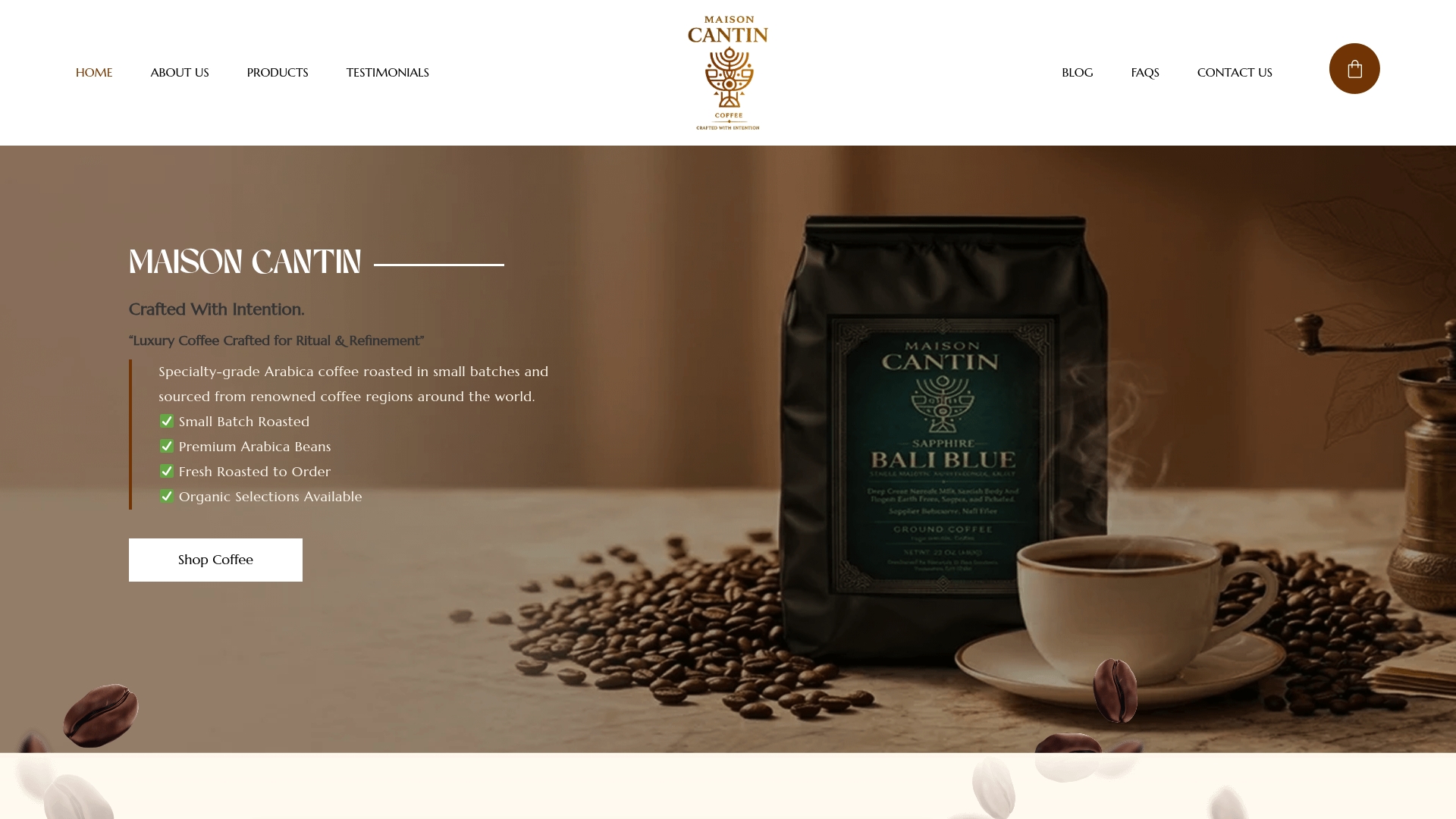
The quality of your coffee shapes the depth of your ritual. Maisoncantin’s specialty-grade Arabica, roasted fresh to order in small batches, delivers the kind of sensory richness that makes mindful sipping genuinely rewarding. The Sapphire Collection and Amber Collection are crafted specifically for those who treat their cup as a ceremony, not a convenience. Each blend is designed to reward slow attention: complex aromas, layered flavors, and a finish worth pausing for. Explore Maisoncantin’s full range and find the coffee that turns your daily pause into something worth protecting.
FAQ
What is the difference between drinking coffee and coffee as self-care?
Drinking coffee is a habit. Coffee as self-care is a mindful ritual: intentional, distraction-free, and approached with sensory awareness. The distinction lies in presence and purpose, not the coffee itself.
Can coffee actually boost mood, or is that just the caffeine?
Both caffeine and coffee’s bioactive compounds contribute to mood improvement, but the ritual context amplifies the effect. Sensory cues and consistent environmental triggers condition a relaxation response independent of caffeine’s pharmacological action.
How much coffee is appropriate for a self-care routine?
Three to five cups per day is associated with broad health benefits for most adults. Individual tolerance varies, so monitoring your mood and sleep response is the most reliable guide to finding your optimal amount.
Is decaf coffee useful for self-care?
Decaffeinated coffee supports sleep quality and emotional regulation, making it a strong choice for evening rituals. The sensory experience of the ritual remains fully intact without the stimulant effects.
How long does it take to build a meaningful coffee self-care ritual?
A five to ten minute daily practice is enough to start. Psychological benefits compound over weeks as the sensory cues become conditioned triggers for calm. Consistency matters far more than the length of each session.