
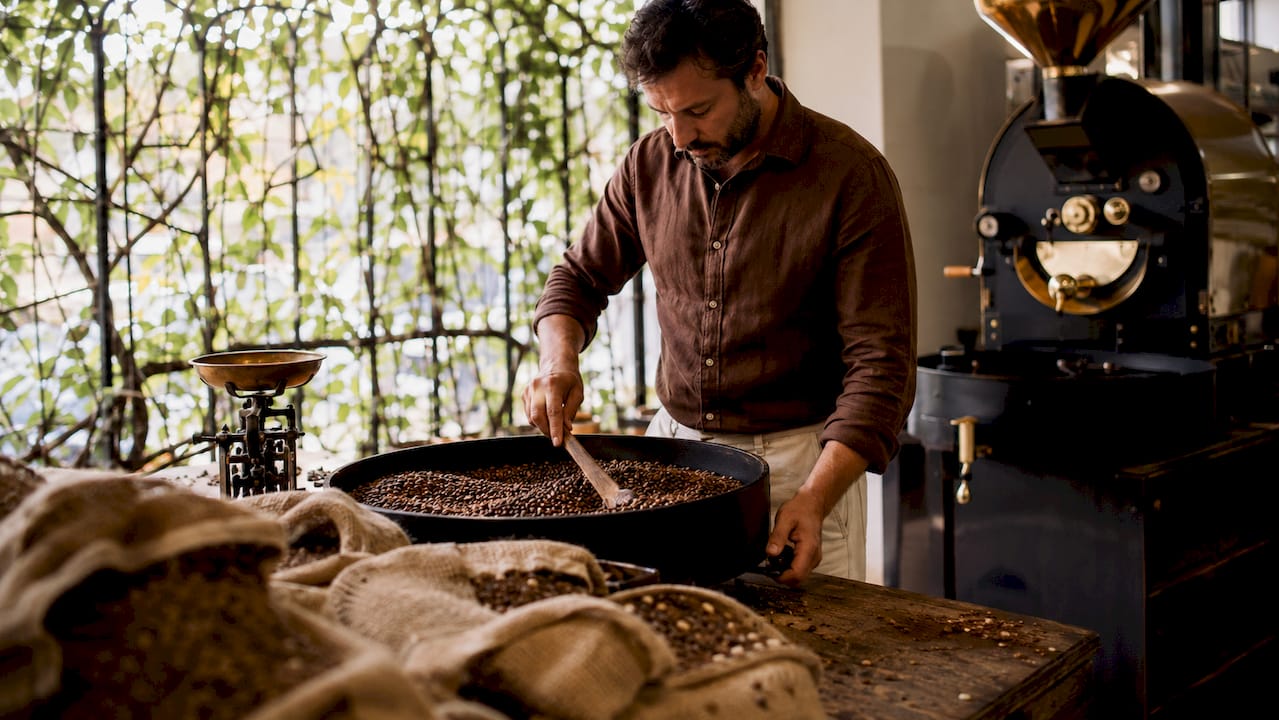
Freshly roasted coffee beans are the single most important variable in achieving clarity of flavor, defined here as the ability to distinguish individual taste notes like acidity, sweetness, and aroma in a single cup. The role of freshly roasted beans in clarity comes down to one core process: degassing. After roasting, beans release carbon dioxide (CO2) at a rate that directly shapes how flavor compounds reach your palate. Brew too soon, and excess CO2 disrupts extraction. Wait too long, and oxidation steals the aromatics. Understanding this window, and the chemistry inside it, transforms how you experience every cup.
How does degassing after roasting influence flavor clarity?
Degassing is the process by which roasted coffee beans release CO2 trapped during the roasting reaction. This gas saturates the bean’s cellular structure and continues escaping for days after roasting. The problem is not the gas itself. The problem is timing.
When you brew coffee with too much residual CO2, the gas creates pressure during extraction that causes uneven flow through the grounds. This leads to channeling, where water bypasses portions of the coffee bed, and bloom instability, where the grounds cannot saturate evenly. The result is a cup with sharp, aggressive edges and muted sweetness. Flavor clarity typically peaks several days after roasting, once CO2 has escaped to a stable level.
Resting times are not universal. They depend on roast level and brewing method:
- Light roasts: 3–7 days of rest for filter brewing; longer rest allows delicate floral and fruit notes to clarify
- Medium roasts: 2–5 days, balancing brightness with body
- Dark roasts: 12–48 hours, since the cellular structure is more porous and CO2 escapes faster
- Espresso: May prefer shorter rests to retain crema, while filter coffee benefits from longer rest to develop clarity
The sensory shift during this window is real and measurable. Early brews taste sharp and hollow. After proper rest, the same beans produce sweetness, balance, and aromatic depth that feel like a different coffee entirely.
Pro Tip: Mark your roast date on the bag and track your first brew against a brew made three days later. The difference in sweetness and clarity will make the rest period a permanent part of your ritual.
What chemical changes in freshly roasted beans affect flavor clarity?
The Maillard reaction, which occurs during roasting, creates hundreds of flavor precursors including acids, sugars, and aromatic compounds. These compounds are responsible for the complexity you taste in a well-developed cup. But their expression depends on what happens chemically in the days after roasting.
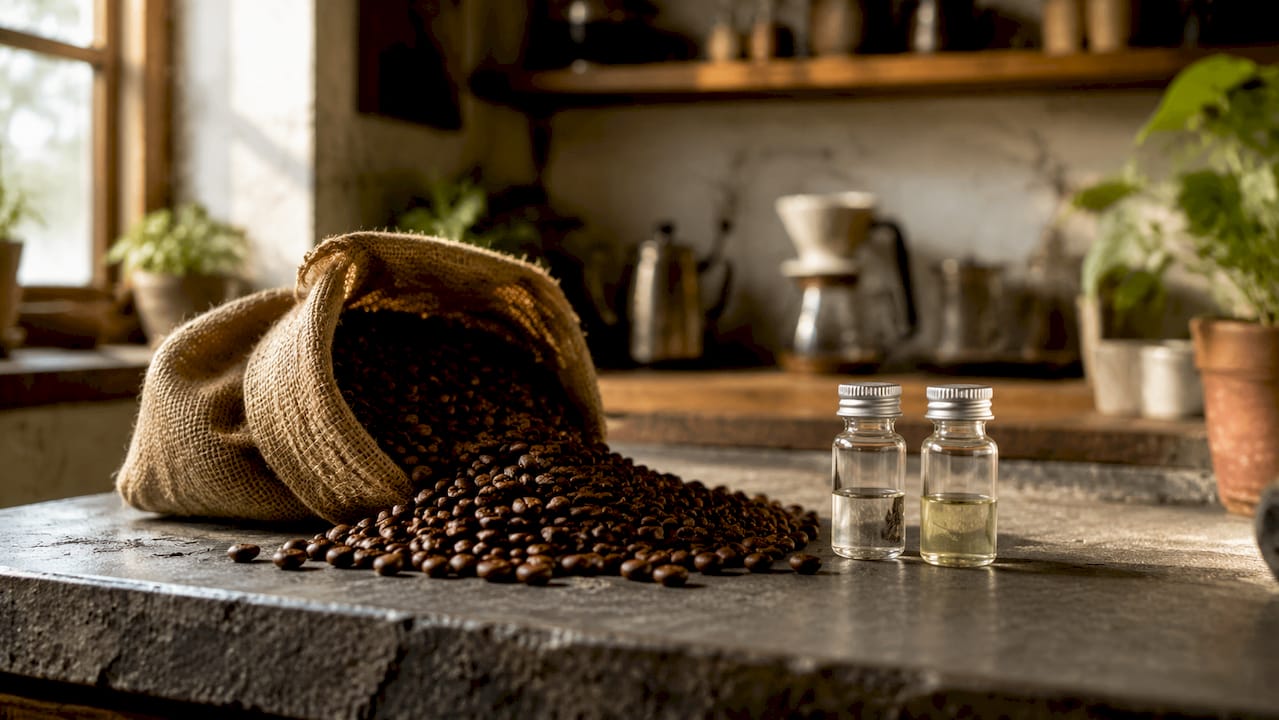
Two sulfur compounds control the perception of freshness and clarity: methanethiol (MeSH) and dimethyldisulfide (DMDS). In the first 0–3 days after roasting, MeSH dominates the aroma profile, creating aggressive, sulfurous notes that mask the cleaner flavors underneath. By day 7, DMDS rises in proportion, and the aroma becomes noticeably cleaner and more balanced. This chemical transition, not a calendar date, is what defines true freshness.
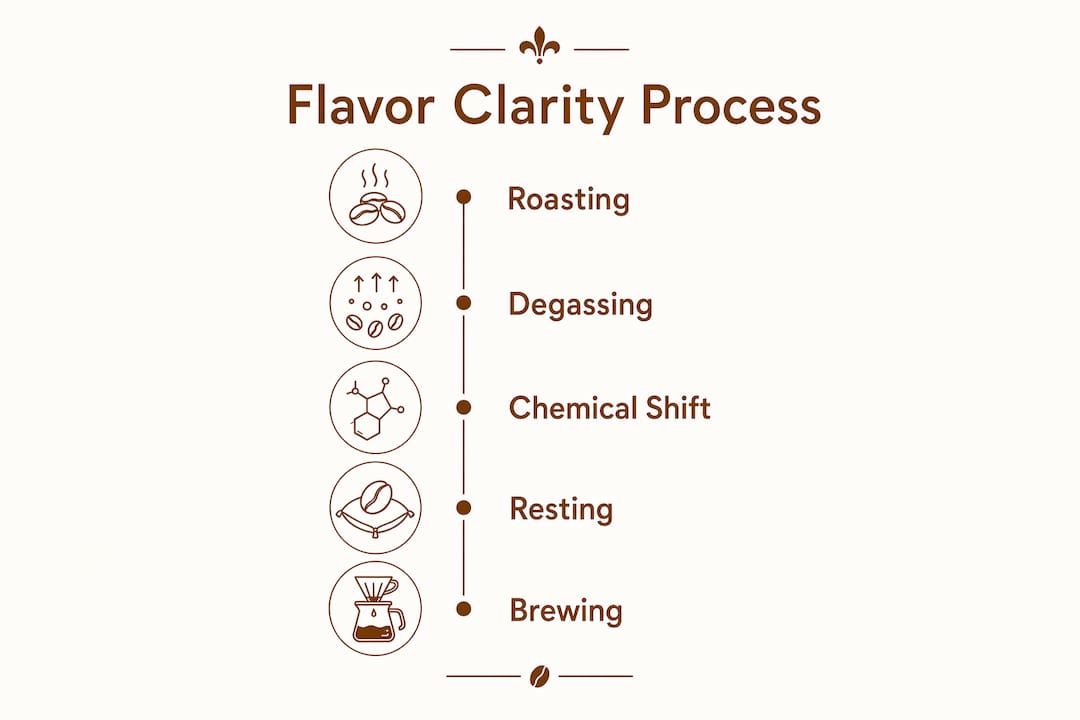
| Days after roast | Dominant compound | Flavor effect |
|---|---|---|
| 0–3 days | MeSH (methanethiol) | Sharp, aggressive, low clarity |
| 4–6 days | Transitional | Mixed, developing balance |
| 7–21 days | DMDS (dimethyldisulfide) | Cleaner aroma, higher clarity |
| 21+ days | Oxidation increases | Staling, flat, diminished clarity |
Antioxidants tell a parallel story. Chlorogenic acids and polyphenols degrade rapidly upon roasting and grinding due to oxidation. Preserving these compounds requires minimizing exposure to oxygen, which means grinding immediately before brewing. Pre-ground coffee begins losing its aromatic and antioxidant qualities within minutes of grinding. The volatile compounds responsible for clarity are the first to go.
Roast level also shapes the antioxidant profile. Light roasts retain the highest chlorogenic acid content, while darker roasts develop more melanoidins. Each profile offers a different kind of clarity, one brighter and more acidic, the other deeper and more rounded.
Pro Tip: If you want to taste the MeSH-to-DMDS shift yourself, brew the same beans on day 2 and day 8 after roasting. Keep your grind, dose, and water temperature identical. The day 8 cup will taste noticeably cleaner and more expressive.
How to handle and store freshly roasted beans to maximize clarity
Storage is where most coffee enthusiasts lose clarity without realizing it. Exposure to oxygen and light accelerates oxidation of aromatic and antioxidant compounds, stripping the bean of the very qualities that make freshness worth pursuing.
The principles of good storage are straightforward:
- Use airtight containers with one-way CO2 valves. These allow degassing without letting oxygen in.
- Keep beans away from light. UV exposure degrades aromatic compounds faster than temperature alone.
- Store at room temperature, not in the refrigerator. Refrigerators introduce moisture and absorb odors from surrounding foods.
- Avoid freezing unless storing long-term. If you freeze, portion beans before freezing and never refreeze after thawing.
- Buy whole beans and grind immediately before brewing. Grinding exposes thousands of aromatic compounds to oxidation, accelerating flavor degradation within minutes.
The roast date label matters, but it is not the whole story. Flavors shift chemically rather than degrade on a fixed timeline, making the roast date a guideline rather than a strict rule. A bag roasted 10 days ago and stored perfectly will outperform a bag roasted 3 days ago and left open on a counter.
Selecting small batch roasted coffee also matters. Large commercial roasters often hold inventory for weeks before it reaches shelves. Small batch roasters, by contrast, roast to order, which means the clock starts closer to your first brew.
How does clarity from freshly roasted beans enhance the overall coffee experience?
Clarity in coffee flavor is the ability to perceive distinct, separate notes within a single cup. A high-clarity cup lets you identify a specific citrus acidity, a clean sweetness, and a floral finish as three separate sensations. A low-clarity cup blurs these into a single muddy impression.
This distinction matters for several reasons:
- Acidity becomes pleasant, not harsh. Proper degassing and rest allow malic and citric acids to express cleanly rather than as sharp bitterness.
- Sweetness reads clearly. Without CO2 interference, the natural sugars developed during roasting come through as caramel, honey, or stone fruit depending on the bean’s origin.
- Aroma becomes precise. Aromatic clarity is the first signal your brain uses to assess quality. A clean, expressive aroma primes your palate before the first sip.
- Brewing methods respond better. Pour-over methods like the Hario V60 and Chemex reward clarity because they amplify individual flavor notes. A well-rested, freshly roasted bean makes these methods sing.
“Coffee is a living system where resting balances the internal chemistry, allowing bitterness, sweetness, and acidity to clearly express and achieve flavor clarity.” 88 Graines
Health benefits also connect to clarity. Drinking 3–4 cups per day is linked to a 25% lower type 2 diabetes risk, a benefit tied to the polyphenol content that freshness preserves. Clarity, then, is not just a sensory reward. It is a signal that the compounds worth having are still intact.
Understanding coffee roast profiles deepens this experience further. The roast profile determines which flavor precursors develop and at what intensity, making it the foundation on which clarity is built.
Key takeaways
Freshly roasted beans achieve flavor clarity through degassing, chemical transitions from MeSH to DMDS, and proper storage that preserves aromatic and antioxidant compounds.
| Point | Details |
|---|---|
| Degassing determines clarity | Rest beans 2–7 days after roasting to allow CO2 to escape before brewing. |
| Chemistry, not just dates | MeSH-to-DMDS transition by day 7 marks when aroma and clarity peak. |
| Grind immediately before brewing | Pre-grinding accelerates oxidation and destroys the aromatics that define clarity. |
| Storage conditions matter | Airtight containers, no light, and room temperature preserve freshness longest. |
| Roast level shapes clarity type | Light roasts offer bright, acidic clarity; dark roasts deliver deeper, rounded clarity. |
Why patience is the most underrated brewing skill
I have brewed the same bag of beans on day 1 and day 9 more times than I can count. Every single time, the day 9 cup wins. Not because the beans changed dramatically, but because the chemistry settled into something the palate can actually read.
The most common mistake I see among enthusiastic home brewers is impatience. A bag arrives, the aroma is intoxicating, and the instinct is to brew immediately. That instinct is understandable. It is also the fastest way to misread a great bean. What you taste on day 1 is not the bean. It is the chaos of fresh roasting.
The second mistake is pre-grinding. I understand the convenience. But grinding a week’s worth of coffee on Sunday morning and storing it in a jar is the equivalent of opening a bottle of wine and leaving it on the counter for a week. The volatile compounds that create clarity are gone within hours.
My advice: treat the rest period as part of the ritual, not an obstacle to it. Brew on day 3, then again on day 7. Take notes. You will develop an intuition for when your specific beans, at your specific roast level, hit their clarity peak. That knowledge is more valuable than any brewing gadget.
— Lily
Discover the clarity that Maisoncantin crafts into every roast
Maisoncantin roasts specialty-grade Arabica beans in small batches, to order, so the beans that arrive at your door are at the beginning of their clarity window, not the end of it. Every roast is timed with intention. Every bag is sealed to protect what the roasting process builds.
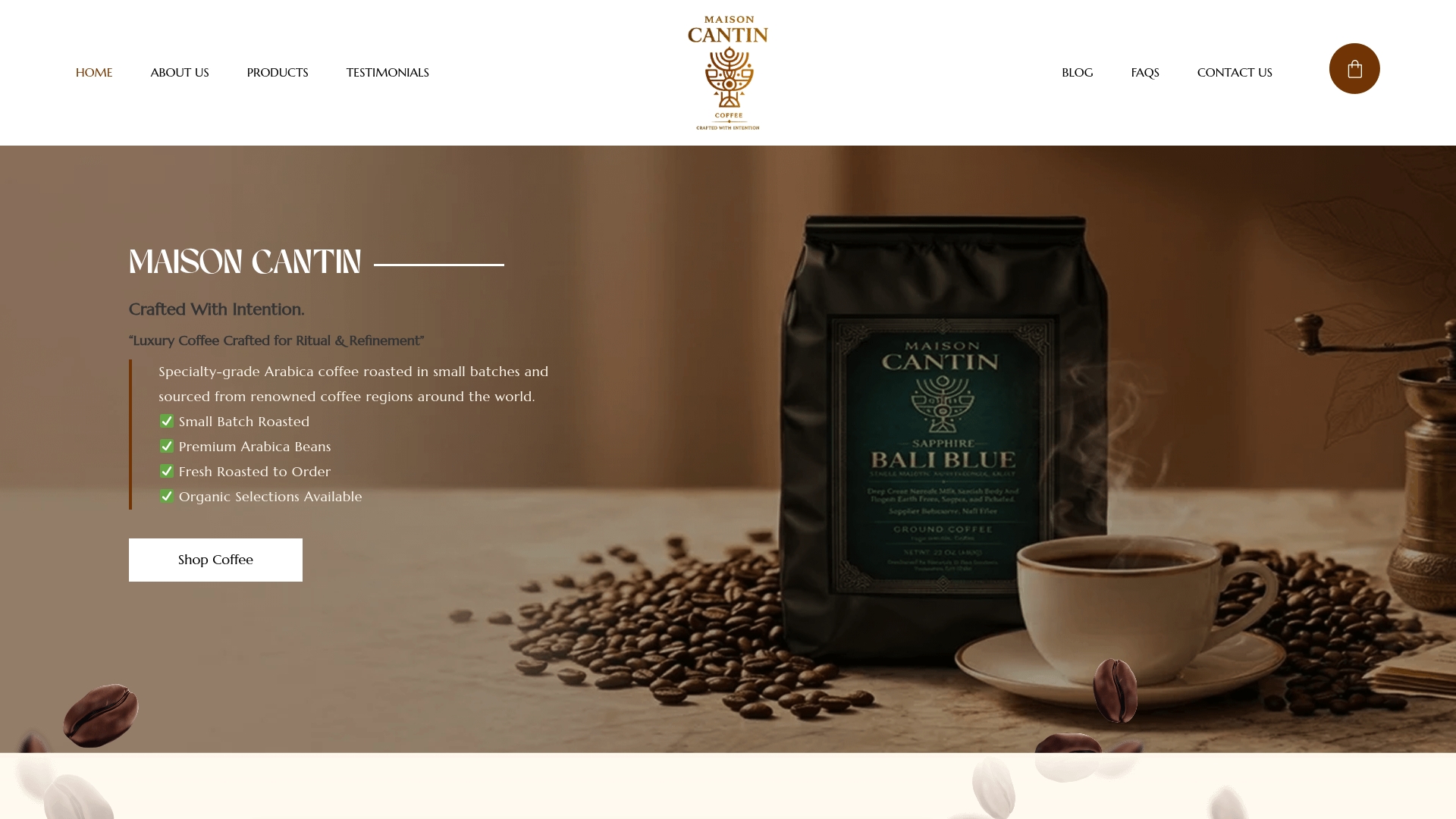
Whether you prefer the bright, fruit-forward clarity of a light roast or the deep, rounded warmth of a medium, Maisoncantin offers organic blends and single-origin options crafted for the discerning cup. Explore why Arabica is preferred by professionals for its unmatched flavor clarity and expressive character. If you are ready to brew with intention, specialty-grade Arabica is where that practice begins.
FAQ
What does “flavor clarity” mean in coffee?
Flavor clarity refers to the ability to distinguish individual taste notes, such as acidity, sweetness, and aroma, as separate sensations in a single cup. High clarity means each note is clean and distinct rather than blurred together.
How long should freshly roasted beans rest before brewing?
Resting time depends on roast level: light roasts benefit from 3–7 days, medium roasts from 2–5 days, and dark roasts from 12–48 hours. Filter brewing generally requires longer rest than espresso.
Why does grinding right before brewing improve clarity?
Grinding immediately before brewing preserves volatile aromatic compounds and antioxidants that oxidize within minutes of exposure to air. Pre-ground coffee loses the clarity-defining aromatics long before it reaches your cup.
Does roast level affect flavor clarity?
Yes. Light roasts preserve more chlorogenic acids and offer brighter, more acidic clarity, while dark roasts develop melanoidins that create a deeper, rounder flavor profile. Each delivers clarity differently, depending on the bean and brewing method.
Is the roast date the best indicator of freshness?
The roast date is a useful guideline, but not a strict rule. Flavor compounds shift chemically over time, meaning storage conditions and rest period matter as much as the date printed on the bag.


https://shorturl.fm/DMGdU