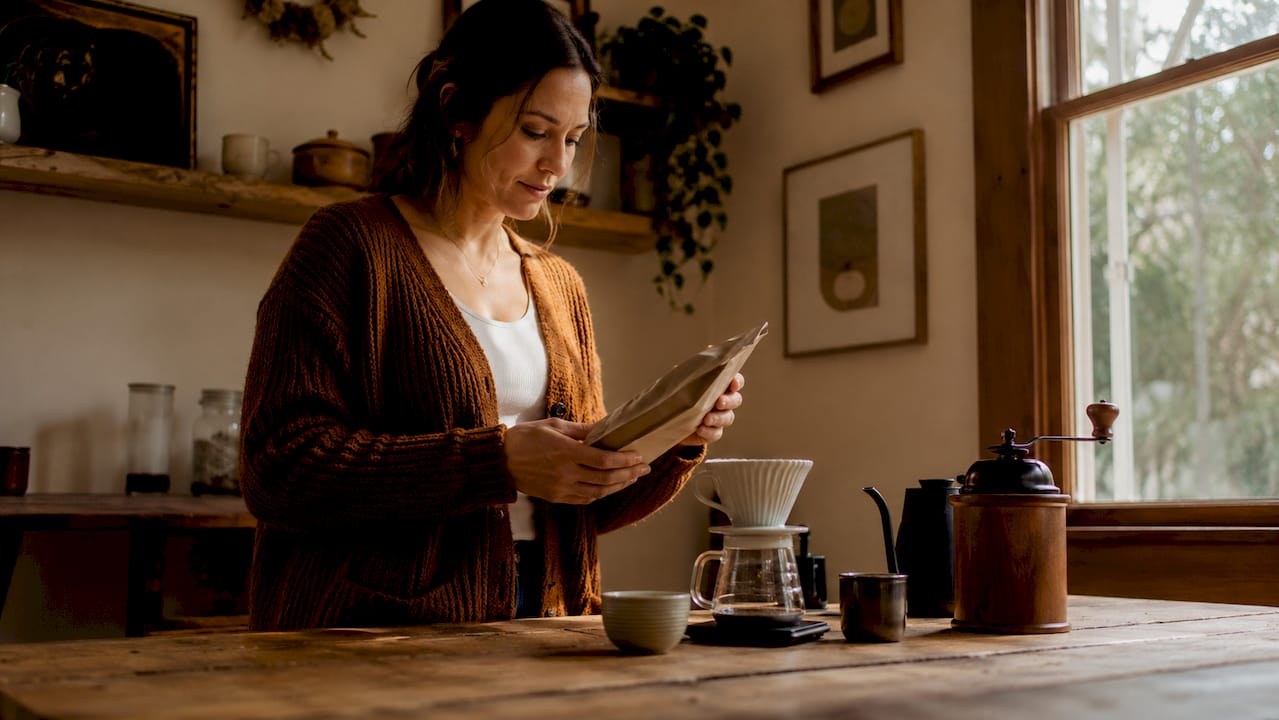
Selecting small batch roasted coffee means choosing beans crafted in limited quantities to preserve unique flavors, freshness, and the distinct character of each origin. Unlike mass-produced coffee, which prioritizes volume and uniformity, artisanal small batch roasting treats every batch as its own ceremony. Roasters like Soli Deo Gloria, Trade Coffee, and Metropolis Coffee have built devoted followings by honoring this philosophy. This guide walks you through what small batch roasting actually is, how to evaluate your options, where to find reputable roasters, and the mistakes that quietly ruin a good cup.
What is small batch coffee roasting and why does it matter?
Small batch coffee roasting is defined as roasting under 50 pounds per batch, allowing a roastmaster to monitor temperature, timing, and color with precision that industrial machines cannot replicate. That level of control is the foundation of everything you taste in the cup.
Mass roasters process thousands of pounds daily. Speed and consistency across enormous volumes require darker roasts, which mask defects in lower-grade beans. The result is a familiar, predictable flavor. It is not bad coffee. It is just not interesting coffee.
Small batch roasting takes the opposite approach. Soli Deo Gloria uses small, intentional batches to highlight delicate flavors rather than burning them away. A light roast from a single Ethiopian farm can carry notes of jasmine and stone fruit. Those notes disappear entirely under industrial heat.
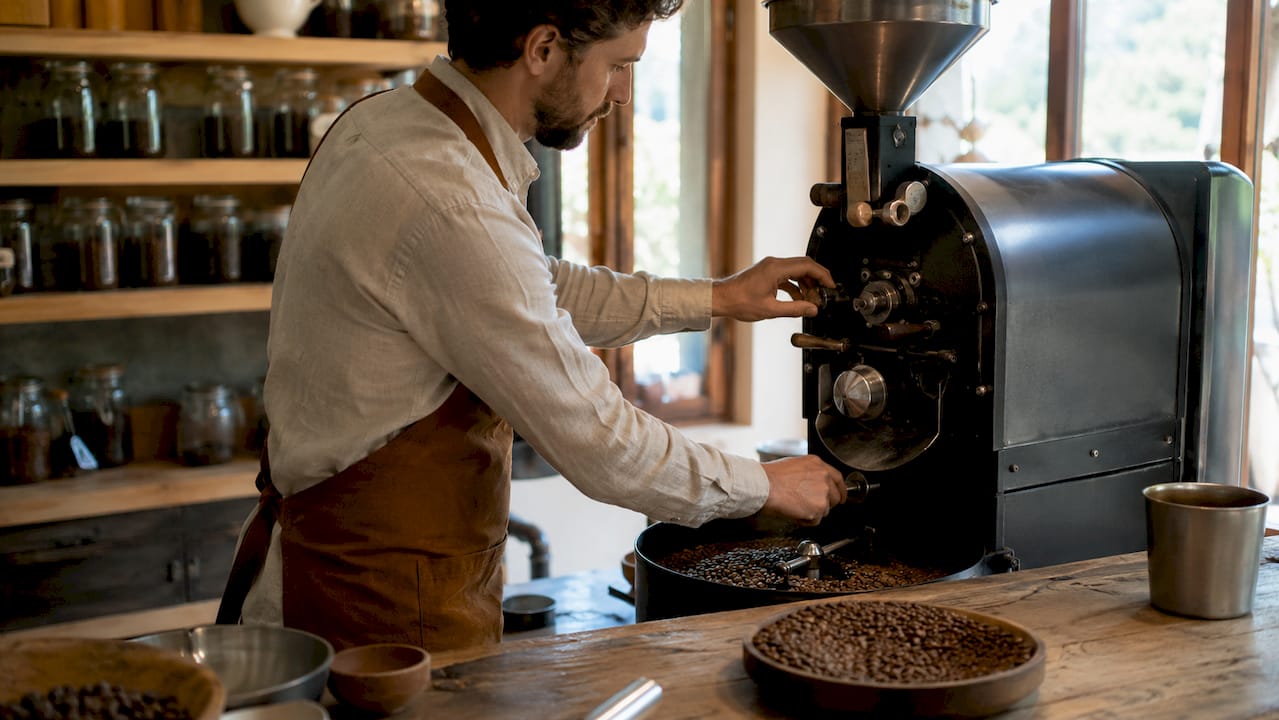
Freshness is the other critical advantage. Small-batch roasters avoid warehousing roasted coffee for months, which is exactly what causes the flat, stale taste in most grocery store bags. Roasting to order means the coffee you receive was likely roasted within days, not weeks.
| Feature | Small Batch Roasting | Mass Industrial Roasting |
|---|---|---|
| Batch size | Under 50 lbs | Thousands of lbs daily |
| Roast control | Hands-on, precise | Automated, standardized |
| Flavor goal | Highlight origin character | Achieve uniform consistency |
| Freshness | Roasted to order | Warehoused weeks or months |
| Bean quality | Specialty-grade Arabica | Mixed grades accepted |
Pro Tip: When you receive a new bag of small batch coffee, check the roast date printed on the bag. Aim to brew it between 5 and 21 days after roast for peak flavor. Too fresh and the CO2 hasn’t fully off-gassed. Too old and the aromatics have faded.
How to assess and compare small batch coffee options
The most effective way to explore different flavor profiles without a large upfront investment is to start with sampler or variety packs. A sampler lets you move from a bright, acidic Ethiopian single origin to a deep, chocolatey Guatemalan blend before committing to a full bag of either. That low-risk exploration is how most serious coffee drinkers discover their preferences.
When you evaluate any craft coffee selection, focus on these core attributes:
- Roast date: Freshness is non-negotiable. No roast date on the bag is a red flag.
- Bean origin: Country and region tell you the likely flavor direction. Ethiopian beans tend toward fruit and floral notes. Colombian beans lean toward caramel and nuts.
- Processing method: Washed coffees are clean and bright. Natural-processed coffees are fruit-forward and complex. Understanding how processing affects flavor sharpens your selections significantly.
- Varietal: Gesha, Bourbon, and Typica each carry distinct flavor signatures even from the same region.
- Roast level: Light roasts preserve origin character. Dark roasts develop body and bittersweet notes. Roast profiles explained in depth can help you match roast level to your preferred brewing method.
The key attributes to evaluate include roast date freshness, bean origin, varietal, processing technique, and tasting for acidity, body, and flavor notes. Each attribute gives you a different lens on quality.
Single origins and blends serve different purposes. Single origins highlight terroir-specific flavors while blends provide balanced complexity across multiple growing regions. Neither is superior. They are different experiences, and both deserve a place in your rotation.
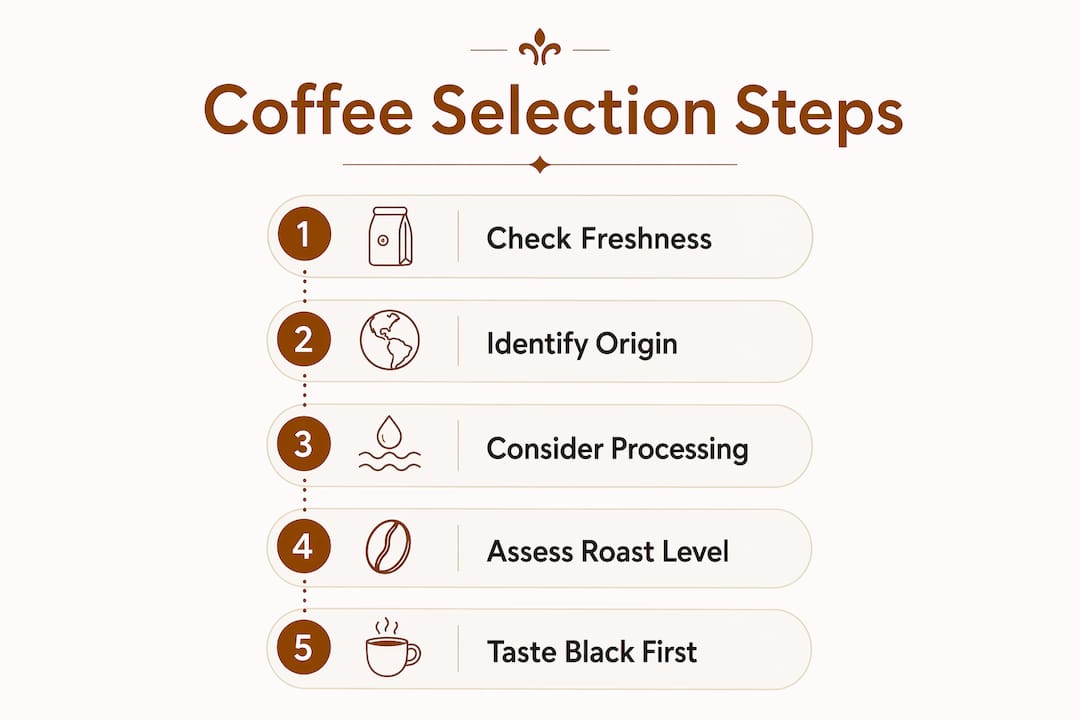
Pro Tip: Taste every new coffee black first, before adding milk or sweetener. Black tasting reveals the true acidity, body, and flavor notes the roaster intended. Once you understand the coffee’s baseline, you can decide how you want to adjust it.
Where to find the best small batch roasted coffee brands
Top small batch roasted coffee brands include Soli Deo Gloria, Trade Coffee, Metropolis Coffee, and Bru, each recognized for their commitment to artisanal practices and distinct flavor profiles. Knowing where to find them is as important as knowing what to look for.
Your best sourcing channels for premium small batch coffee:
- Direct from the roaster’s website: Most artisan roasters sell online and ship within 24–48 hours of roasting. This is the freshest option available.
- Coffee subscription services: Trade Coffee curates small batch selections from dozens of independent roasters and matches them to your taste preferences. Subscriptions also guarantee regular delivery of fresh beans.
- Local roasteries: A roaster operating in your city or town is often roasting multiple times per week. Buying local means the coffee may be days old at most.
- Farmers markets: Many small batch roasters sell at weekend markets. You can speak directly with the roaster, ask about origins, and often sample before buying.
- Specialty grocery stores: Stores like Whole Foods carry a rotating selection of craft coffee brands, though roast dates vary and freshness is less guaranteed than buying direct.
Transparency is the clearest signal of a reputable roaster. Look for bags that list the farm or cooperative name, the country and region of origin, the processing method, and the roast date. Roasters who share this information are proud of their sourcing. Those who hide it often have something to hide.
Storage matters once you bring the coffee home. Keep it in an airtight container away from light and heat. Avoid the freezer for beans you plan to use within two weeks. Grinding just before brewing preserves the aromatics that make handcrafted roasted coffee worth the investment.
Common mistakes when selecting small batch roasted coffee
Ignoring roast dates, buying large quantities without sampling, and prioritizing price over quality are the three most common errors coffee enthusiasts make. Each one is easy to avoid once you know what to watch for.
- Skipping the roast date check. Coffee without a roast date is almost always old. Freshness is the single biggest quality variable in small batch coffee, and stale beans produce flat, lifeless cups regardless of how well they were roasted.
- Committing to large quantities before sampling. A 5-pound bag of a coffee you have never tried is a gamble. Start with a sampler or a single small bag. Your palate needs to meet the coffee before you invest in volume.
- Choosing over-roasted beans by default. Dark roasts feel familiar, but they mask the origin character that makes artisanal coffee beans worth seeking out. Push yourself toward medium or light roasts when exploring new origins.
- Making decisions based on price alone. Specialty-grade small batch coffee costs more because the beans, the process, and the labor are genuinely superior. Treating price as the primary filter leads to disappointing cups.
- Ignoring brewing method compatibility. A delicate light roast from a washed Ethiopian bean shines in a pour-over. It can taste thin and sour in a French press. Matching your brewing method to the coffee is as important as selecting the right beans.
Pro Tip: Once you open a bag of small batch coffee, transfer it to an airtight, opaque container and use it within two weeks. Exposure to oxygen, light, and moisture degrades flavor faster than most people realize.
Key takeaways
Selecting small batch roasted coffee requires evaluating freshness, origin, processing method, and roast level before you buy, then sampling before committing to volume.
| Point | Details |
|---|---|
| Freshness is the priority | Always check the roast date and aim to brew within 5–21 days of roasting. |
| Sampler packs reduce risk | Try variety packs before committing to a full bag of any single coffee. |
| Transparency signals quality | Reputable roasters list origin, processing method, and roast date on every bag. |
| Match roast to brew method | Light roasts suit pour-over; darker roasts work better in espresso or French press. |
| Single origins vs. blends | Single origins highlight terroir; blends offer balanced complexity across regions. |
What i’ve learned from years of tasting small batch coffee
by Lily
The first time I tasted a properly sourced, freshly roasted Ethiopian Yirgacheffe, I genuinely thought something was wrong with the cup. It tasted like blueberries and lemon zest. I had been drinking dark roasted grocery store coffee for years, and nothing had prepared me for that kind of clarity.
That experience changed how I approach every coffee purchase. I stopped buying based on brand recognition and started reading bags the way I read wine labels. Origin, processing method, roast date. Those three details tell you almost everything.
My honest recommendation is to spend one month buying only sampler packs from roasters you have never tried. The financial commitment is low, but the education is enormous. You will discover that you have strong preferences you did not know existed. Maybe you love the clean brightness of washed Central American coffees. Maybe you are drawn to the syrupy body of a natural-processed Sumatran. You cannot know until you taste deliberately.
The other thing I have learned is that brewing method amplifies or diminishes what the roaster worked to create. A beautiful light roast brewed carelessly in a dirty French press is a waste of good coffee. Take the time to brew specialty coffee properly and the difference is not subtle. It is the difference between a moment and just a morning.
Small batch coffee is not a luxury reserved for connoisseurs. It is simply coffee made with intention. Once you taste that intention, ordinary coffee becomes very hard to go back to.
— Lily
Discover maisoncantin’s curated small batch selections
Maisoncantin roasts every order fresh, in small batches, using specialty-grade Arabica beans sourced for their distinct character and origin story. There are no warehouse shelves. No months-old inventory. Every bag arrives at peak flavor because it was roasted for you specifically.
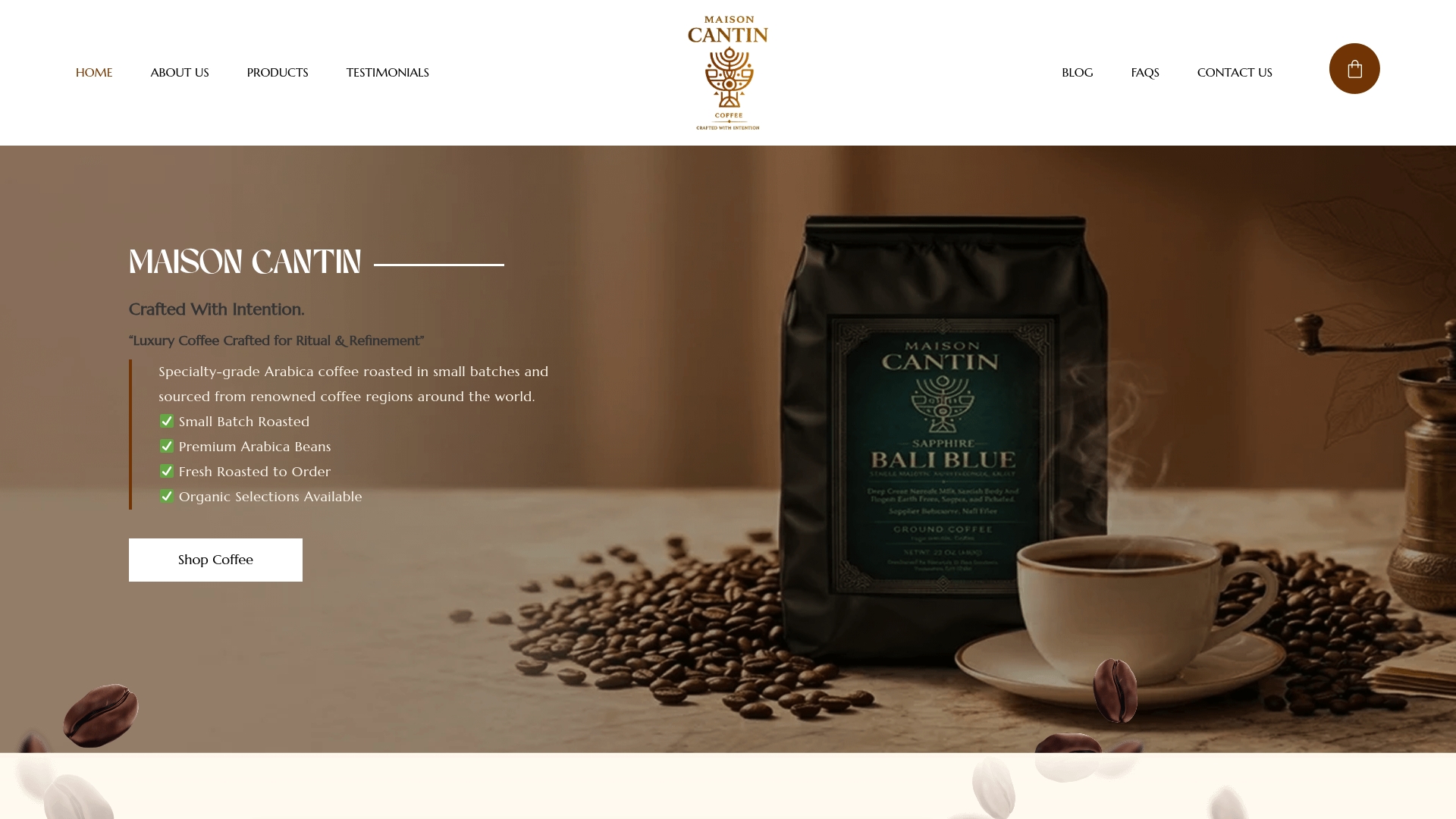
Whether you are beginning your craft coffee journey or refining a palate already well-traveled, Maisoncantin’s curated coffee products offer a range of single origins, artisan blends, and organic selections to explore. If you want to understand what separates specialty-grade beans from everything else, the guide to identifying specialty-grade Arabica is a strong place to start. Your next great cup is one intentional choice away.
FAQ
What makes small batch roasted coffee different from regular coffee?
Small batch roasting involves roasting under 50 pounds per batch, giving the roastmaster precise control over temperature and timing. This preserves the unique flavor notes of each origin rather than masking them with uniform dark roasting.
How soon after roasting should i brew small batch coffee?
Brew small batch coffee between 5 and 21 days after the roast date for the best flavor. Brewing too soon means excess CO2 interferes with extraction; brewing too late means the aromatics have faded.
Are sampler packs worth buying for small batch coffee?
Sampler packs are the most effective way to explore different flavor profiles without a large financial commitment. They let you compare bright single origins against rich blends before investing in a full bag.
Should i choose single origin or blended small batch coffee?
Single origins highlight terroir-specific flavors while blends offer balanced complexity. Single origins are ideal for tasting exploration; blends work well for consistent everyday drinking.
How do i store small batch coffee to keep it fresh?
Store opened coffee in an airtight, opaque container at room temperature, away from light and heat. Use it within two weeks of opening for the best flavor and aroma.


https://shorturl.fm/RX4ED