
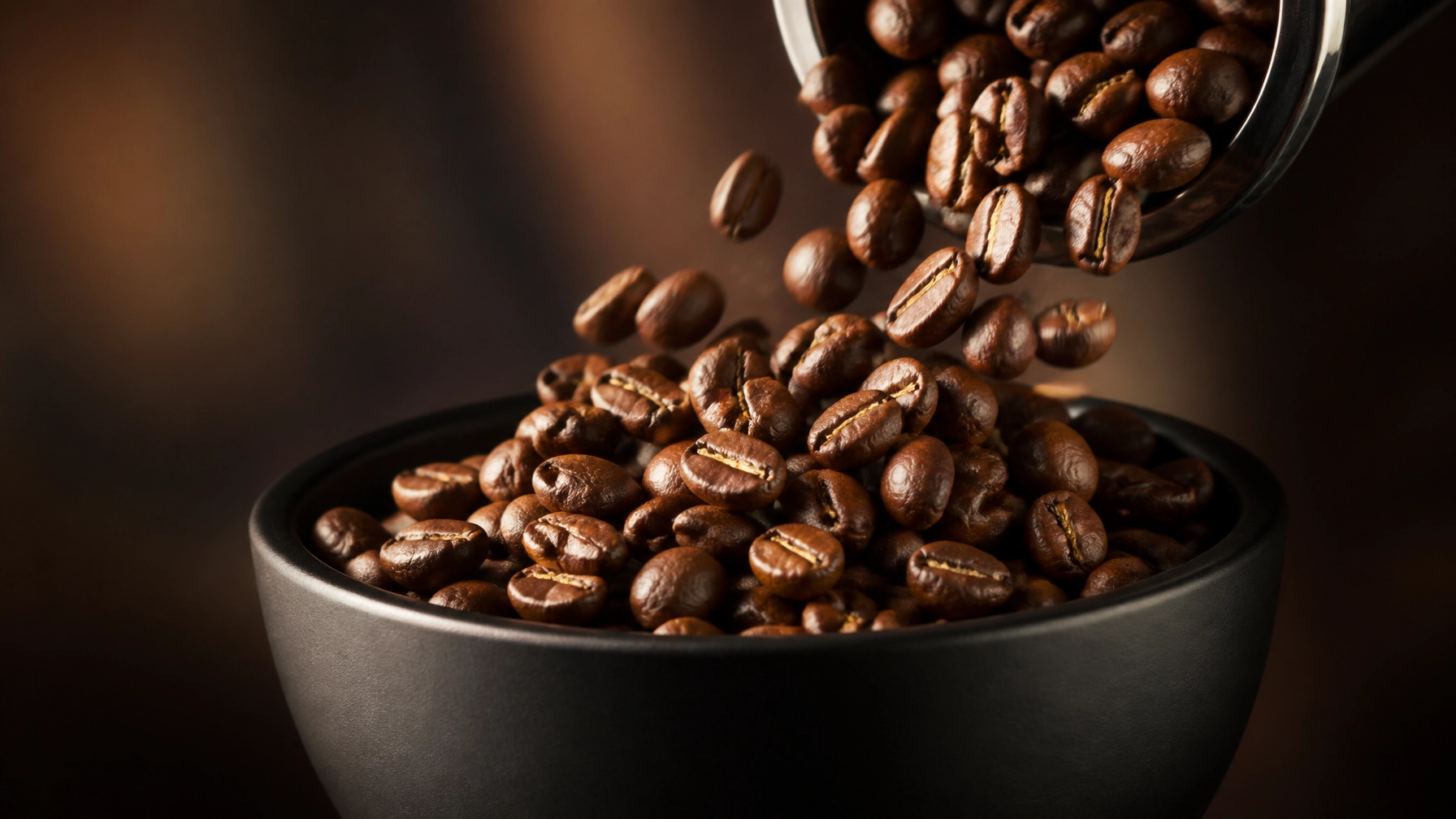
For the average consumer, coffee is a utility: a bitter, caffeinated jolt required to start the day. But for the discerning individual, coffee is a ritual. It is a moment of refined clarity that depends entirely on the chemical integrity of the bean.
If you are buying your coffee from a grocery store shelf, you are likely drinking a ghost of what that coffee once was. The difference between a mass-produced bag and a freshly roasted, small-batch selection isn't just a matter of "preference"; it is a matter of science. From the moment a coffee bean leaves the roaster, a countdown begins.
At Maison Cantin, we treat coffee as a fresh agricultural product, not a shelf-stable commodity. Here is why your current grocery store habit is sabotaging your morning ritual and how to bridge the gap to professional standards.
The Chemistry of Decay: Oxidation and Degassing
To understand why freshness is paramount, you must understand what happens inside the bean during the roasting process. When we roast our specialty-grade Arabica beans, intense heat triggers the Maillard reaction and caramelization. This creates complex aroma compounds and builds up a significant amount of Carbon Dioxide (CO2) inside the bean’s cellular structure.
1. The Protection of CO2
Freshly roasted coffee is roughly 1% CO2 by mass. This gas acts as a natural pressurized shield, preventing oxygen from entering the bean. As long as the bean is "degassing" (releasing this CO2), it is protected. However, within 14 to 30 days, most of this gas has escaped.
2. The Onset of Oxidation
Once the CO2 shield is gone, oxygen rushes in. This is called oxidation. The delicate lipids (oils) within the coffee bean begin to turn rancid, and the volatile organic compounds: the molecules responsible for notes of jasmine, stone fruit, or cocoa: evaporate into the air.
Pro Tip: If your coffee bag has a "Best Before" date but no "Roasted On" date, it is a red flag. Grocery store brands often use year-long expiration dates to hide the fact that the beans have been oxidizing in a warehouse for months.

Grocery Store vs. Small Batch: A Technical Comparison
The disparity between these two worlds is staggering when viewed through the lens of quality control and logistics.
| Feature | Grocery Store Coffee | Maison Cantin Small-Batch |
|---|---|---|
| Roast Date | Often 3–9 months ago | Roasted to order, delivered immediately |
| Bean Quality | Commercial grade (often includes fillers) | Specialty-grade Arabica |
| Packaging | Mass-sealed, often stale before opening | One-way valve, matte-black UV protection |
| Flavor Profile | Flat, woody, bitter, or "burnt" | Vibrant, complex, clear terroir notes |
| Sourcing | Commodity market (price-driven) | Small-batch, organic-focused |
The "Bloom" Test: How to Spot Stale Coffee
The easiest way to verify the freshness of your coffee is the "Bloom." When you pour hot water (ideally 195°F–205°F) over freshly ground coffee, the remaining CO2 should rapidly escape, causing the grounds to swell and bubble.
If you pour water over your grounds and the surface remains flat and lifeless, the coffee is dead. The volatile oils have oxidized, and the complex acids have flattened. You are no longer drinking a specialty beverage; you are drinking flavored water.
Why Small Batch Roasting is Non-Negotiable
Mass production requires consistency at the cost of character. Large-scale roasters must roast in such massive quantities that they often "over-roast" (dark roast) the beans to mask the inconsistencies of low-grade harvests. This results in the ubiquitous "charred" taste associated with major chains.
At Maison Cantin, we utilize a roast-to-order model. This means your Amber Italian Reserve or Sapphire Bali Blue doesn't exist until you buy it. We roast in small batches, allowing us to monitor the exact development of the bean, ensuring that the natural sweetness is preserved rather than incinerated.

My Honest Take: The Morning I Stopped Settling
I remember the exact moment I realized I had been settled for mediocrity. I was using a "premium" grocery store brand: the kind with the fancy gold foil. I thought it was good. Then, I tried a bean that had been roasted only four days prior.
The difference wasn't subtle; it was total. The grocery coffee tasted like "brown." The fresh roast tasted like blueberries and dark chocolate. It was the difference between watching a movie on a cracked phone screen and seeing it in a high-fidelity cinema. Once your palate recognizes the clarity of a fresh roast, you can never go back to the stale, dusty alternatives found in the supermarket aisle.
Transitioning to Professional Standards: A Step-by-Step Guide
If you are ready to elevate your coffee from a chore to a ceremony, follow these imperative commands:
- Purge your pantry. Discard any coffee that does not have a "Roasted On" date within the last 30 days.
- Buy Whole Bean only. Grinding increases the surface area for oxidation by a factor of thousands. Grinding right before brewing is the single most important technical change you can make.
- Check the Valve. Ensure your coffee comes in a bag with a one-way de-gassing valve. This allows CO2 to escape without letting oxygen in.
- Audit your water. Coffee is 98% water. Use filtered water to ensure the minerals don't mask the delicate flavor notes of a fresh roast.
- Subscription over Supermarket. Use a fresh roasted coffee delivery service. This ensures a consistent supply of beans at their peak flavor window (7–21 days post-roast).

The Maison Cantin Difference
We don't just sell coffee; we curate a pause in your day. Whether it is our Amber Mushroom Coffee for mental clarity or our Sapphire Bali Blue for a refined weekend morning, every order is handled with the precision that specialty coffee demands. We roast fresh, we ship fast, and we never compromise on the integrity of the bean.
Stop settling for the stale leftovers of mass production. Experience the ritual of a truly fresh roast.
FAQ: Understanding Coffee Freshness
How long does coffee stay fresh after roasting?
Ideally, coffee is at its peak between 7 and 21 days after the roast date. After 30 days, the loss of CO2 and the onset of oxidation begin to noticeably degrade the flavor profile.
Can I store coffee in the freezer to keep it fresh?
We do not recommend this. The moisture and fluctuating temperatures of a home freezer can cause condensation on the beans, leading to cell wall rupture and the rapid degradation of oils. Store your beans in a cool, dark, airtight container at room temperature.
Is "Organic" coffee better for freshness?
While "Organic" refers to the farming practices, organic specialty beans are typically handled with more care throughout the supply chain. At Maison Cantin, our organic selections are roasted in even smaller batches to highlight their unique environmental characteristics.
Why does my grocery store coffee taste bitter?
Bitterness in grocery coffee is usually a result of over-roasting (to hide stale beans) or the presence of Robusta beans, which are harsher than the premium Arabica we use.


https://shorturl.fm/Vj0zm
https://shorturl.fm/Ss5Nh